Case Study · Google Domains · Q1 2021 — Q1 2023
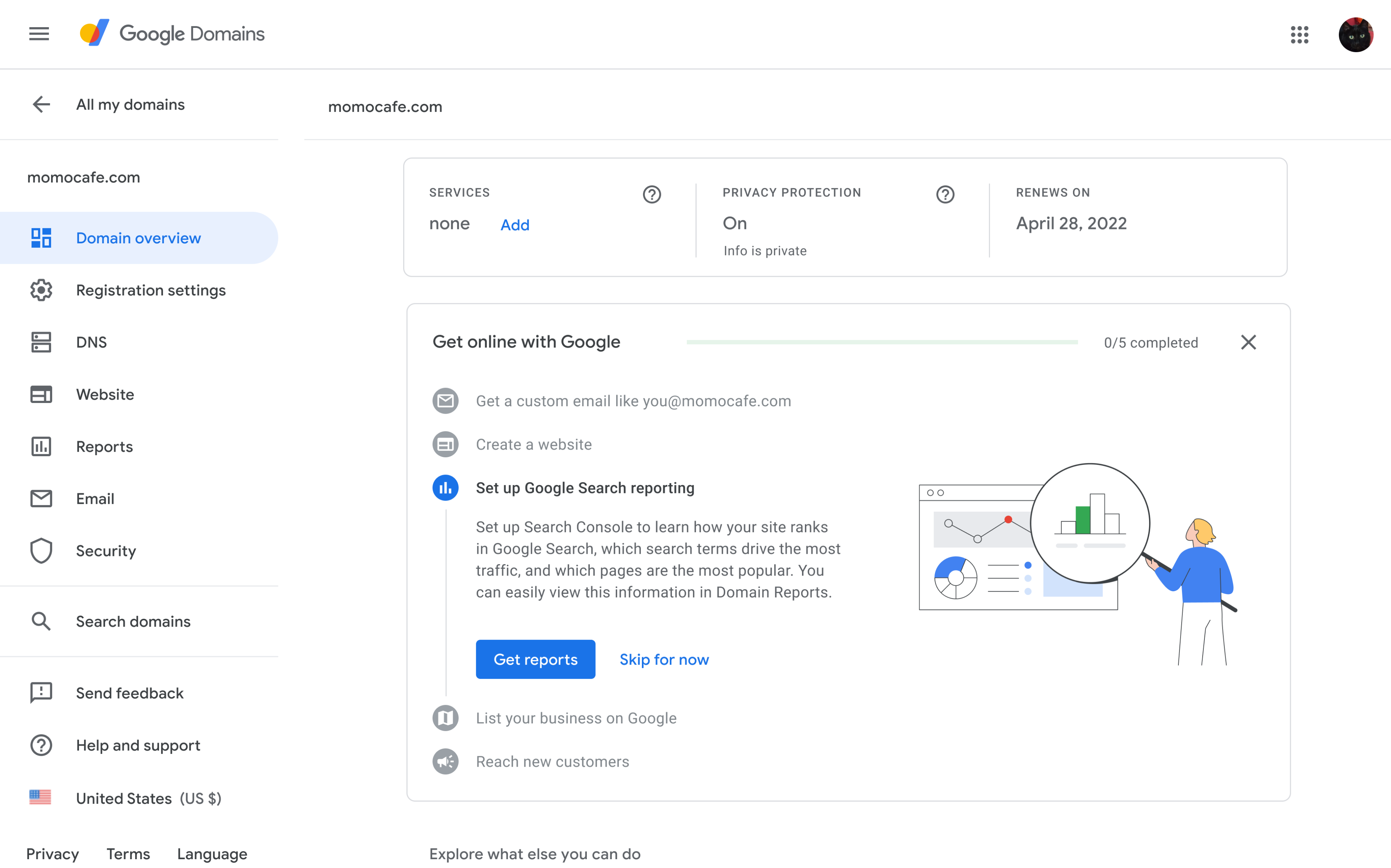
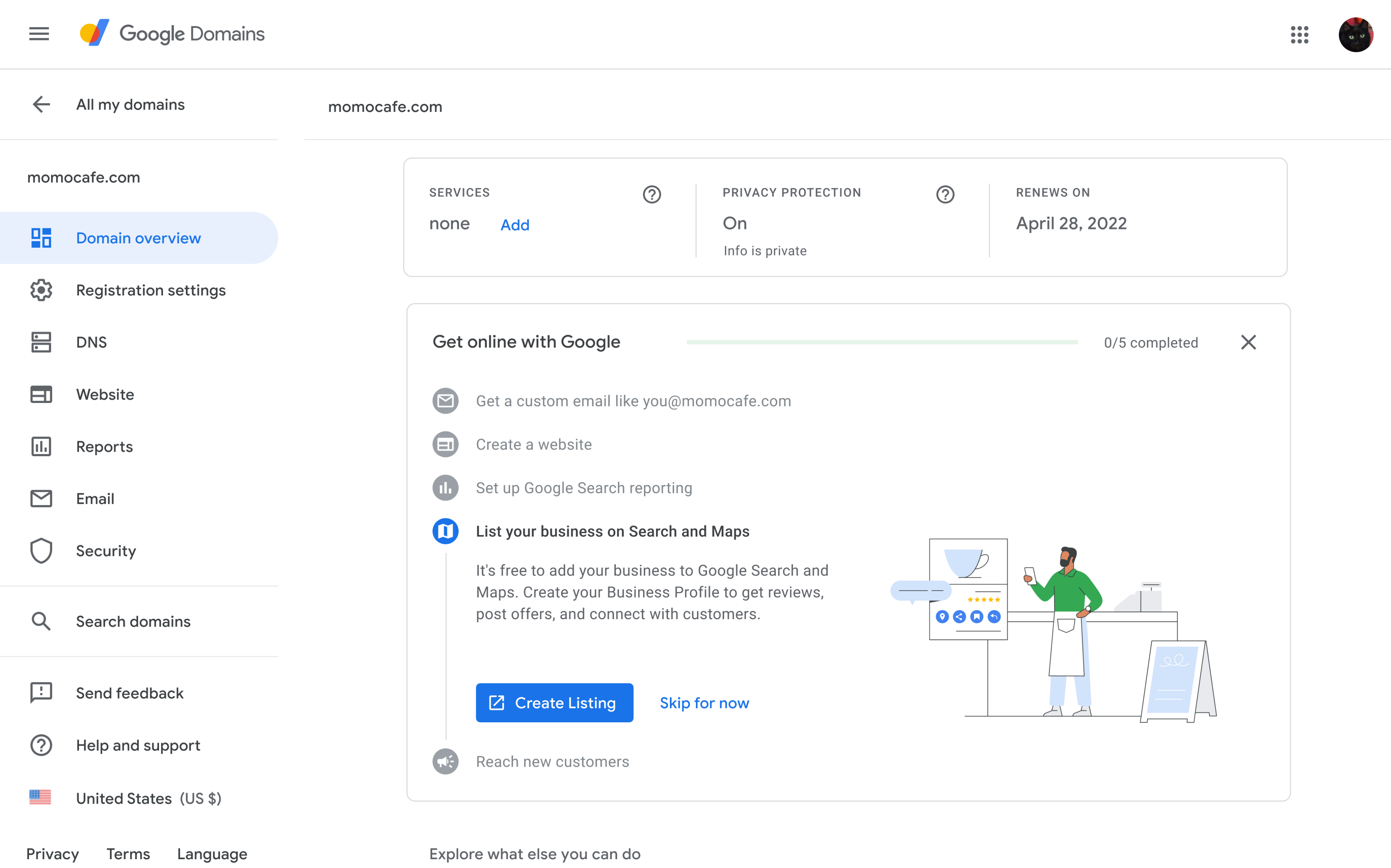
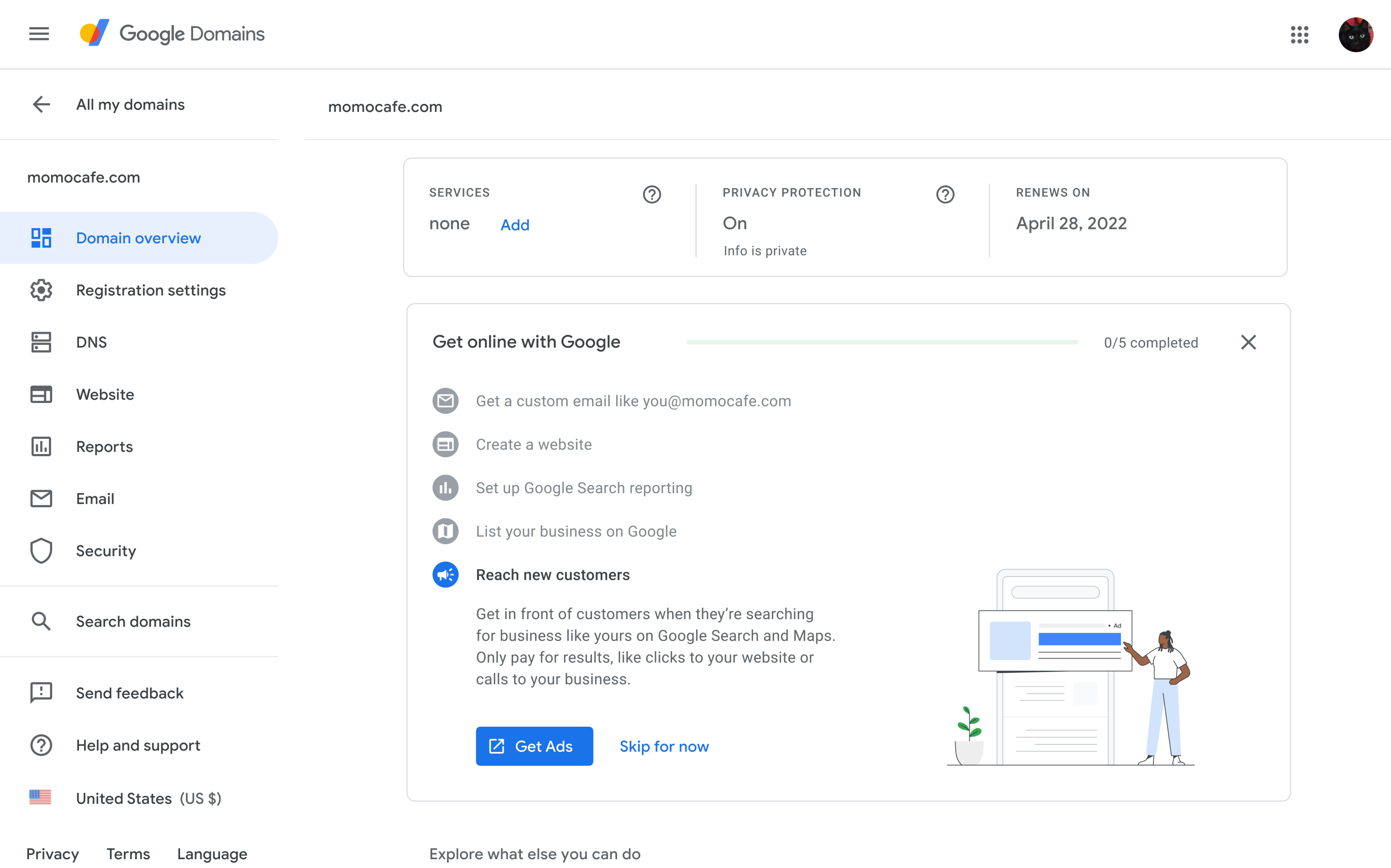
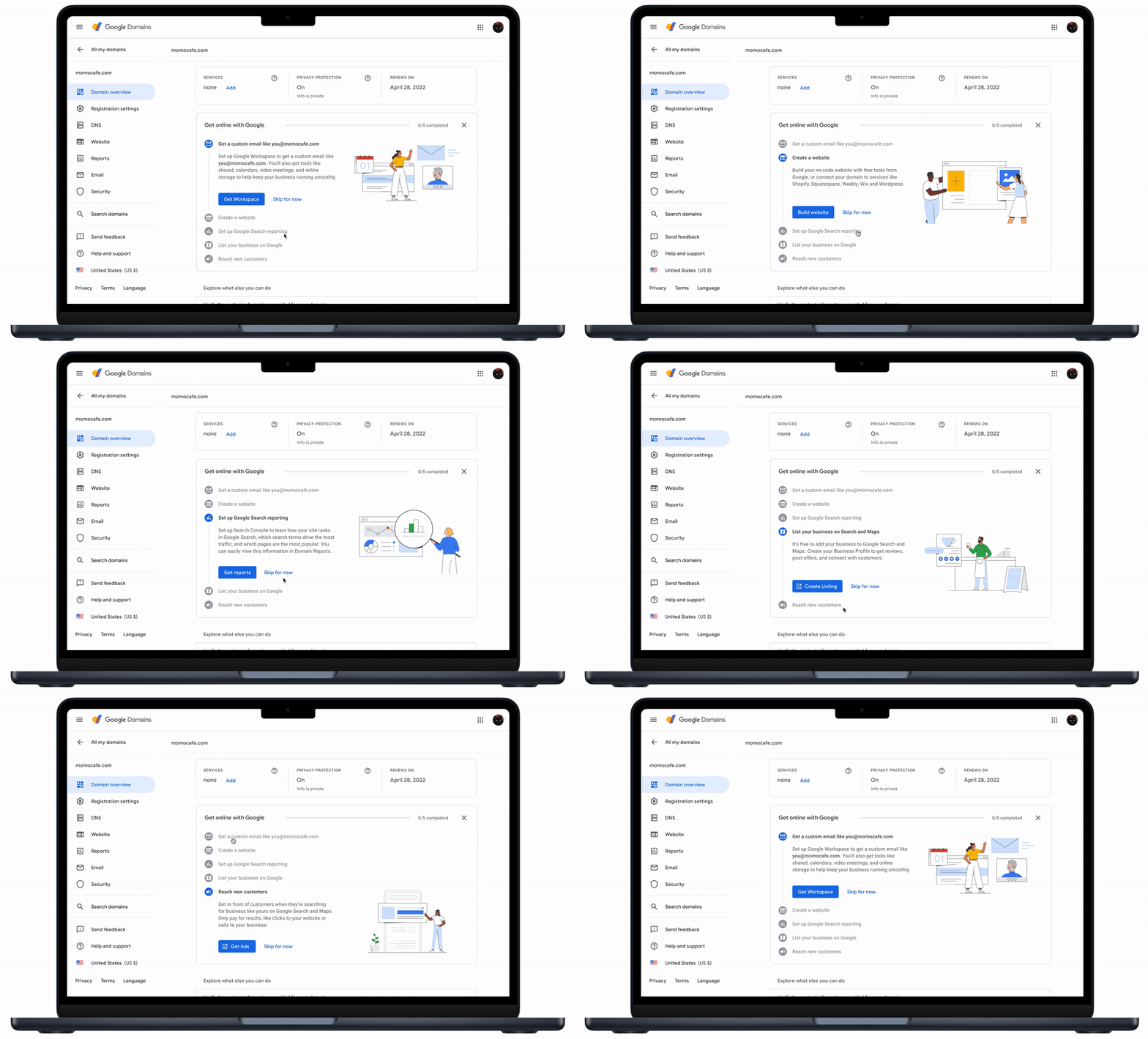
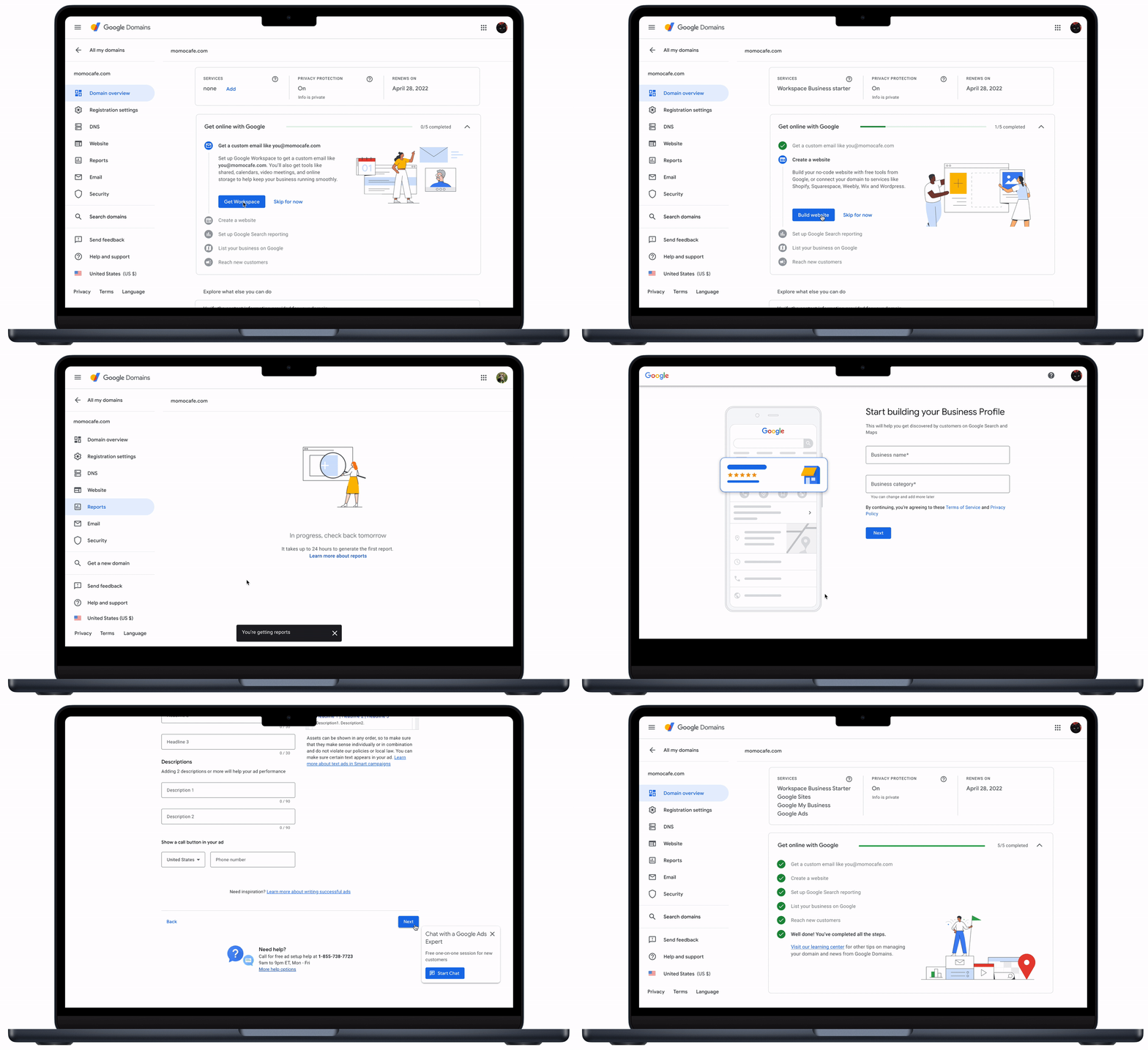
A quick, simple path for the 72% of small businesses who have never set up or managed a domain — a prescriptive, guided journey that helps them get the most out of their domain while opening easy entry points to other Google products.
01 — Overview
Problem. SMBs face challenges setting up and managing their digital presence because they lack experience and clarity on the next steps.
Project goal. Provide SMBs with a guided journey that offers step-by-step instructions — streamlining online business setup and optimization while highlighting the value of each service.
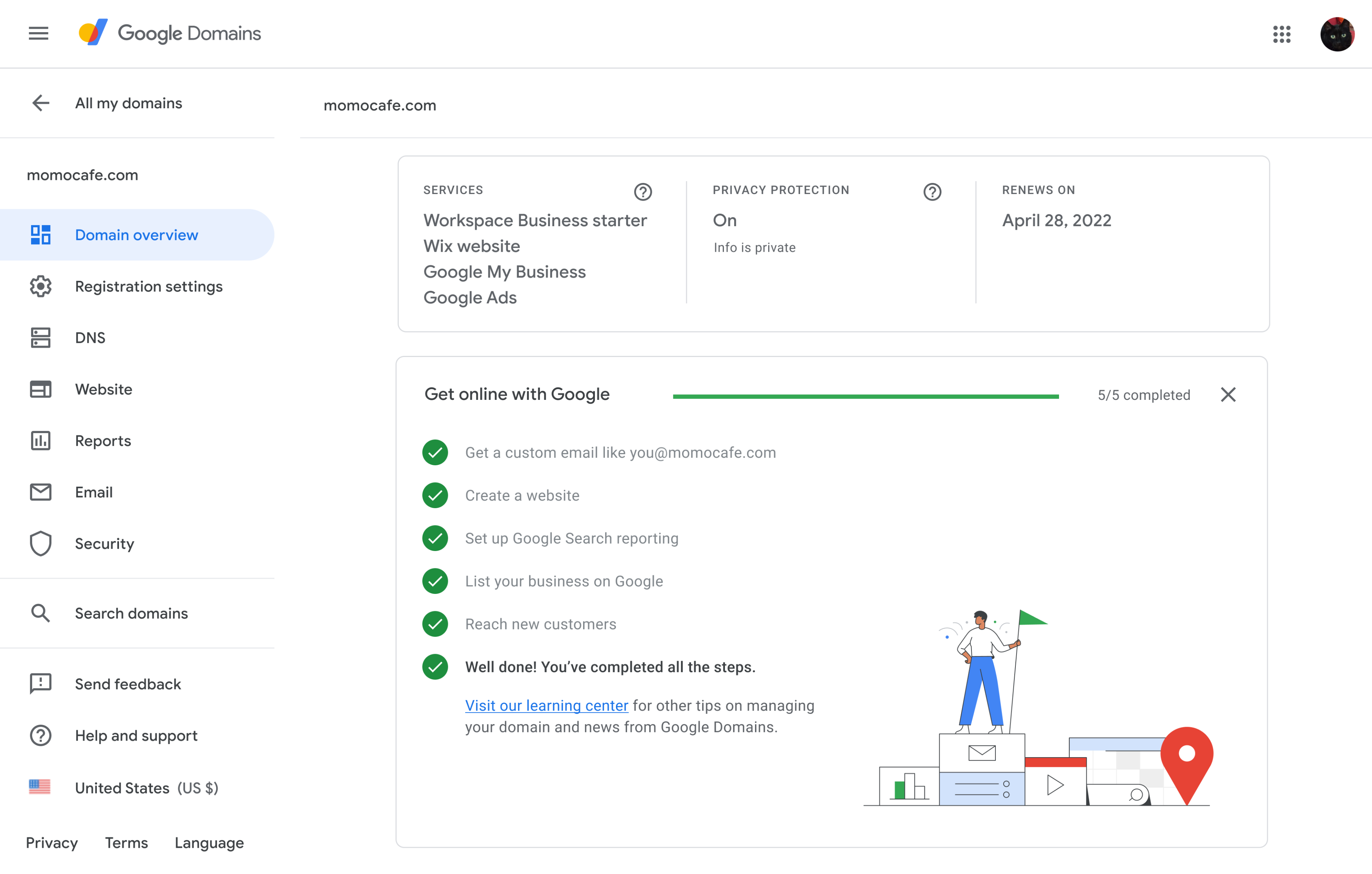
Drive attach revenue across Google Workspace, Website, Search Console, Google Business Profile, and Google Ads.
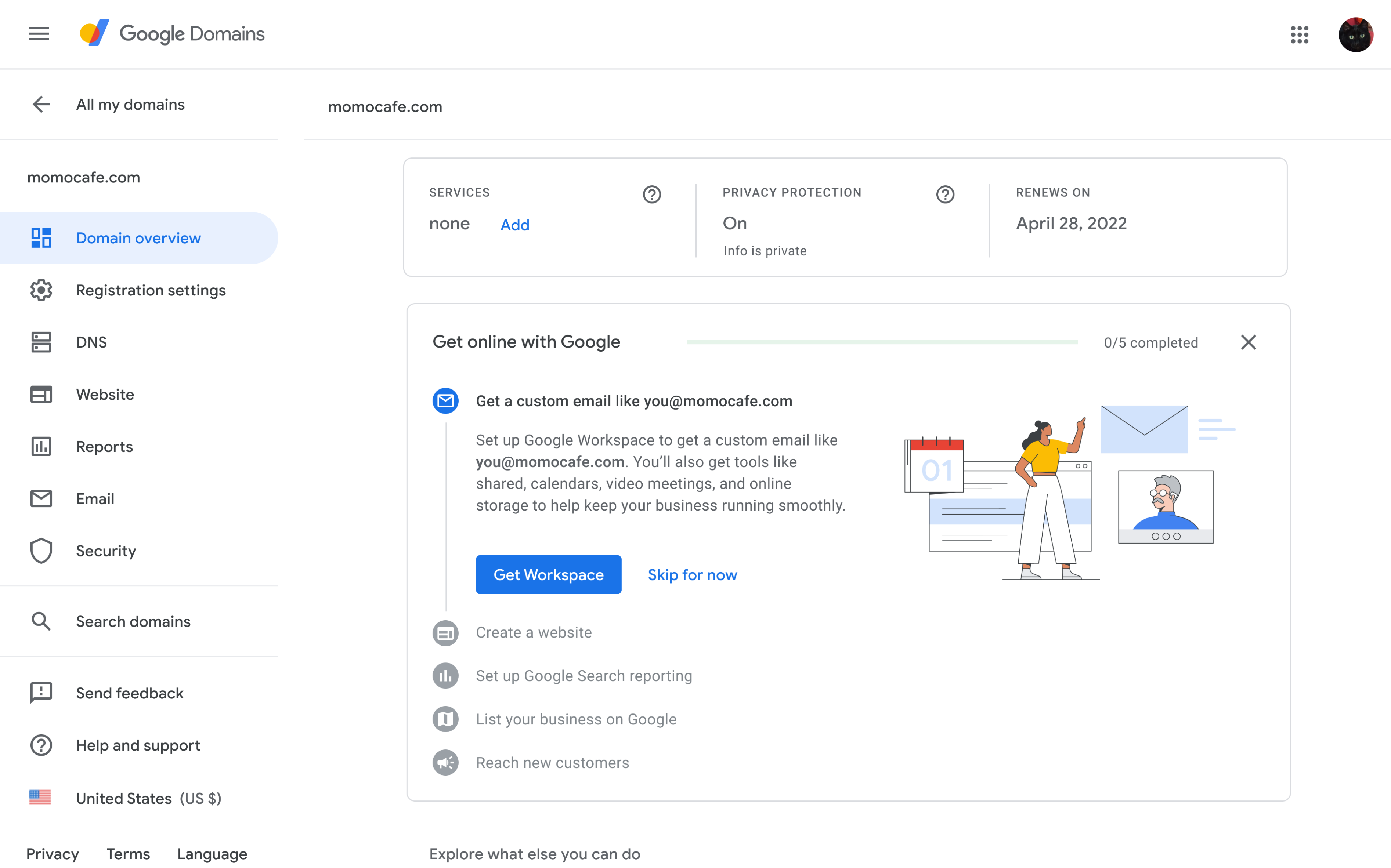
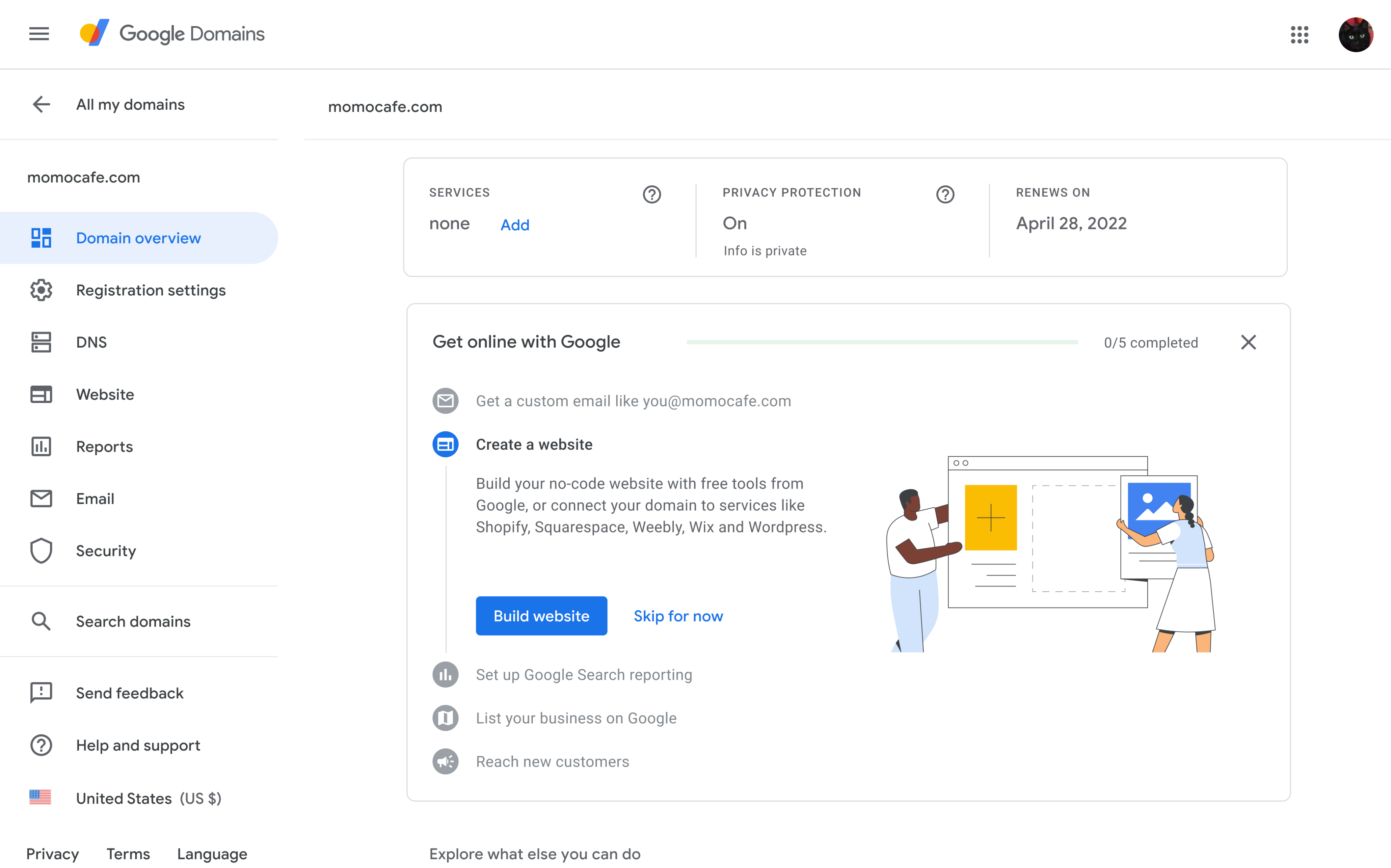
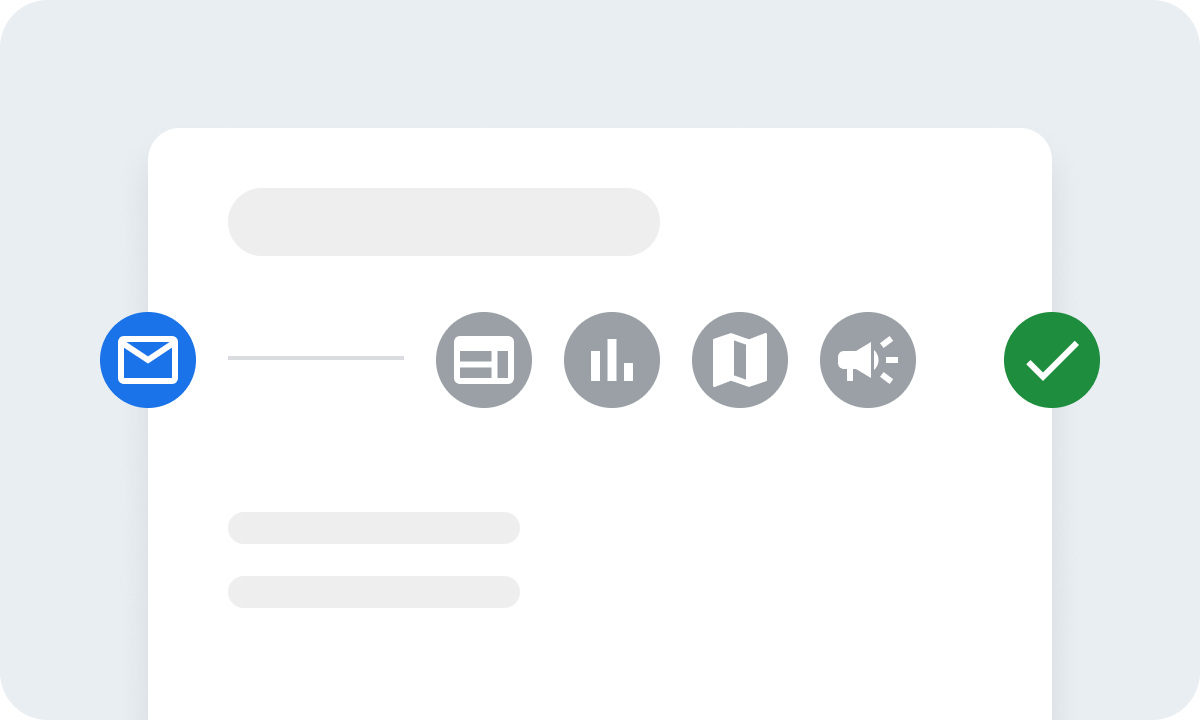
A step-by-step guided journey of Google services, framed with clear value props so users understand each option.
I led UX and UI design for this project, collaborating extensively with Product Management, Engineering, Business Development, Marketing, UX Research, UX Writing, gTech, and cross-product-area teams including Google Workspace, Business Profile, and Ads.
Analyzed insights from 3 previous research efforts and ran comparative analysis with UXR and Marketing. Leveraged these findings to create service bundling concepts aligning with Google Domains.
Led a cross-functional brainstorming session (PM, Eng, UX, Marketing, Business) to define project objectives based on research insights, ultimately establishing an ideal vision for service bundling.
Ran 10 qualitative sessions with SMBs and web pros to explore concepts of packaging multiple services. Studied 3 concepts created from the top-scored ideas from the brainstorm session.
Prioritized features and data based on feedback from the concept study and scoped out feasibility with Engs, PMs, and cross-PAs. Collaborated with UXW to create and deliver higher-fidelity final designs.
02 — Research
I want my business to be found and trusted by customers.
I want to discover different services quickly and understand their value.
I want to have guidelines for my journey going forward.

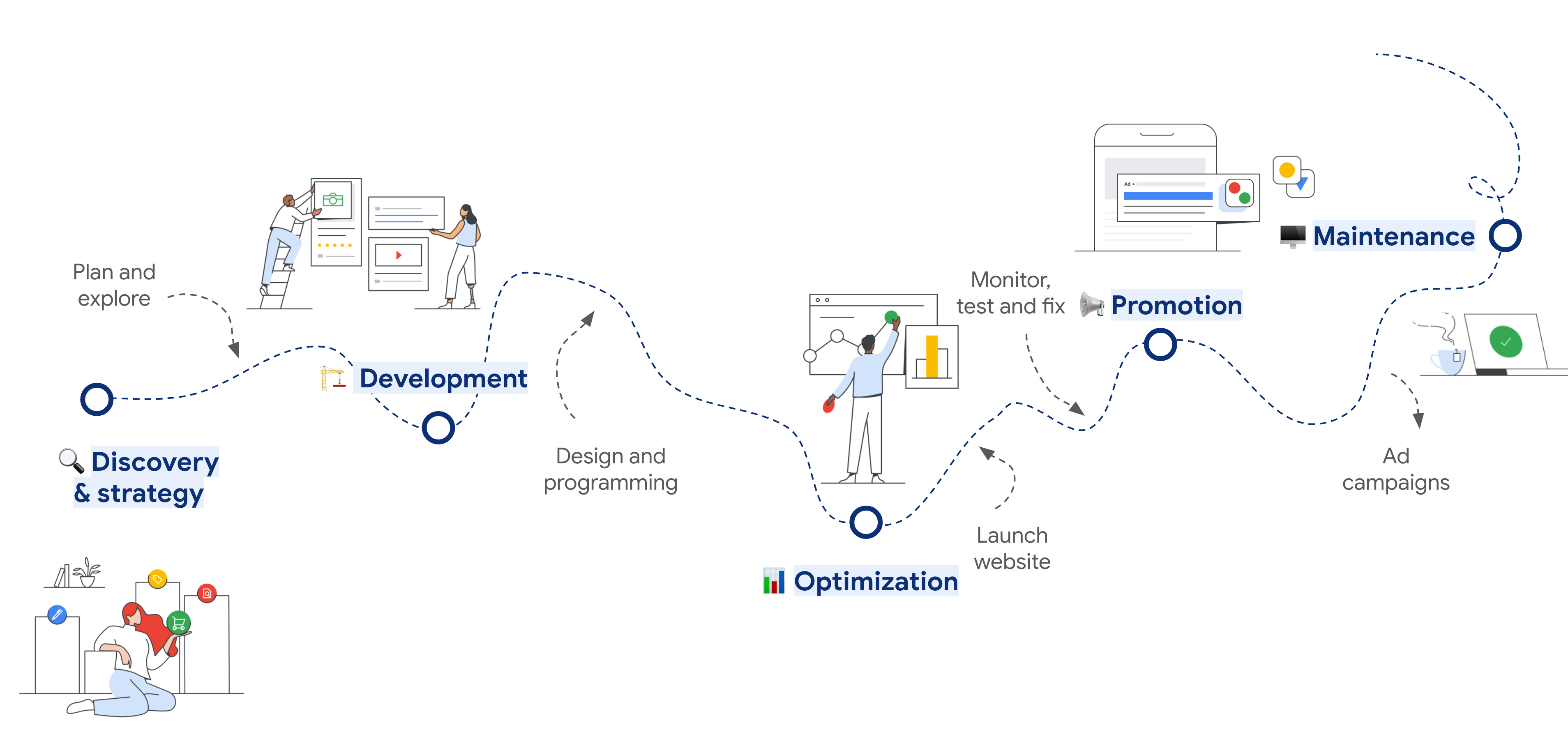
We mapped users' journeys from the initial need for attached services through actual implementation and usage — looking at moments of awareness and acquisition, and deciding which services to elevate based on small-business-owner receptivity and scalability.
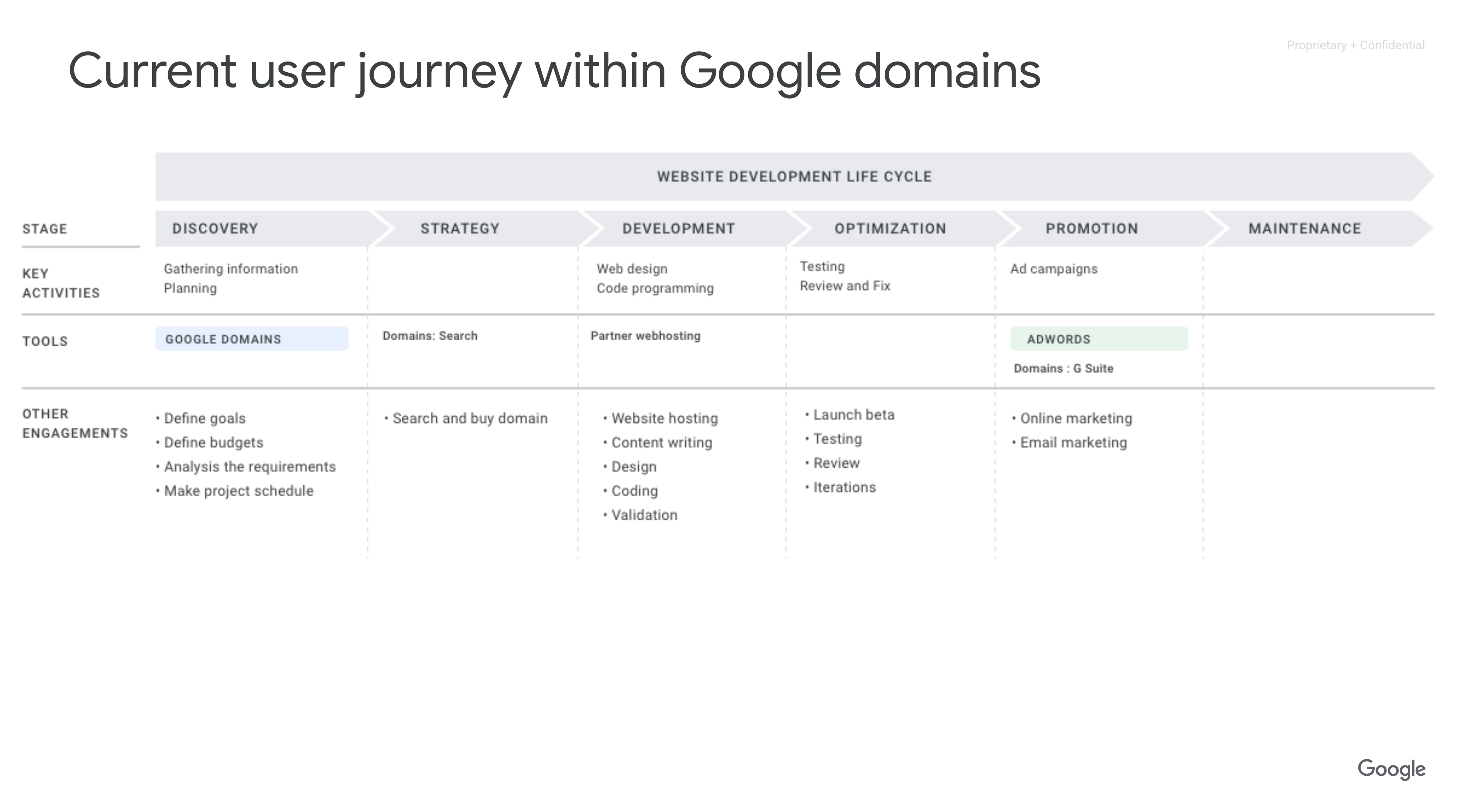
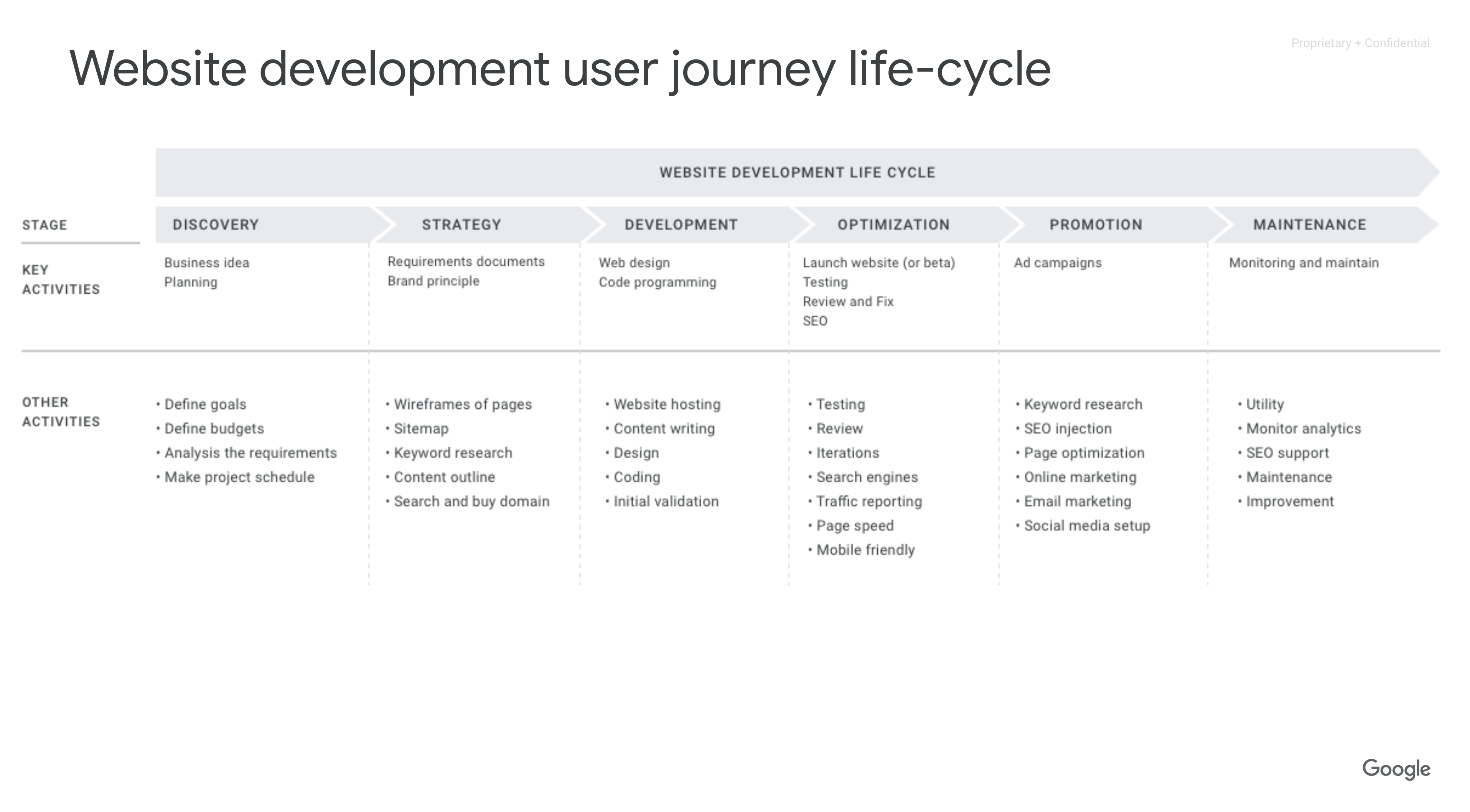
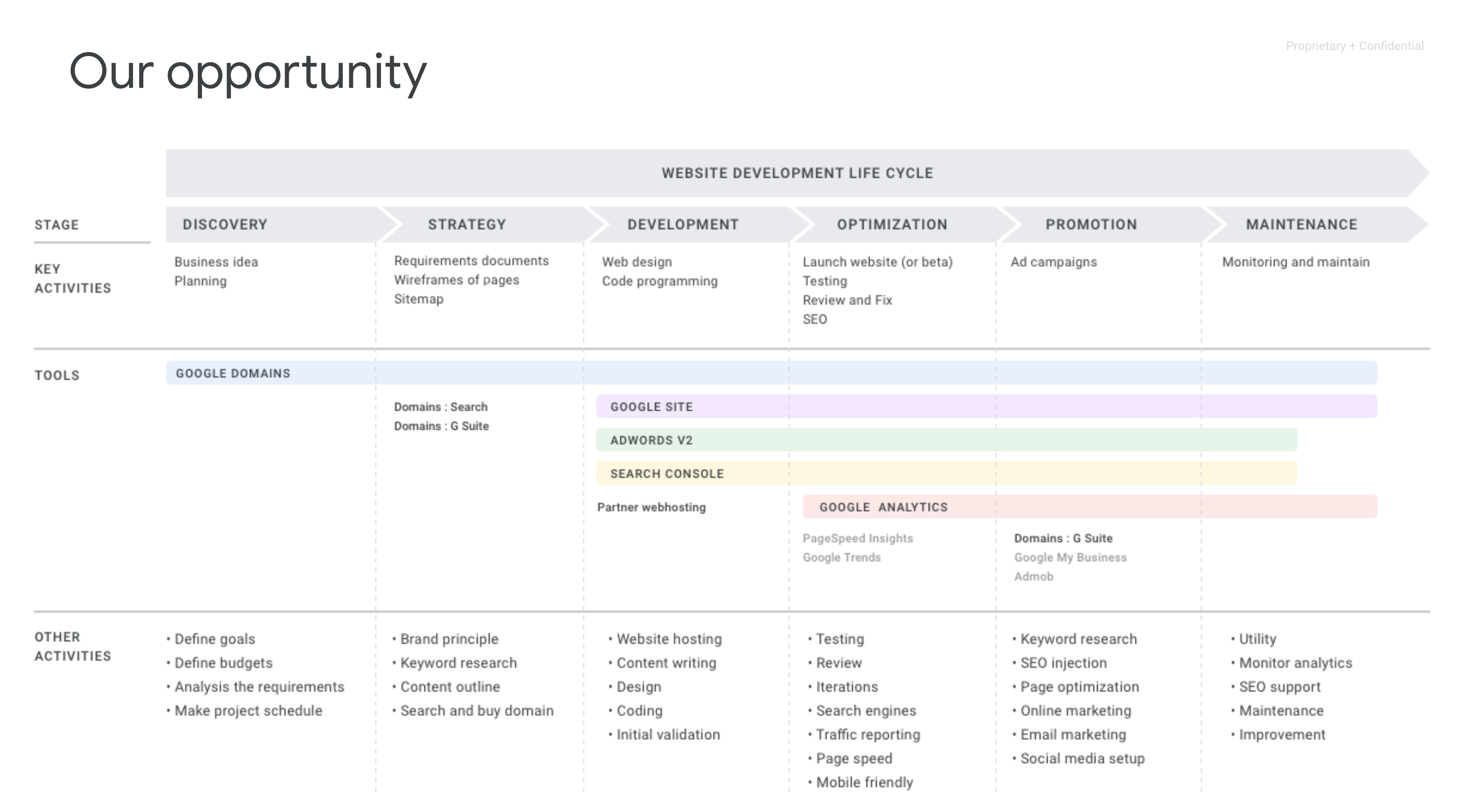
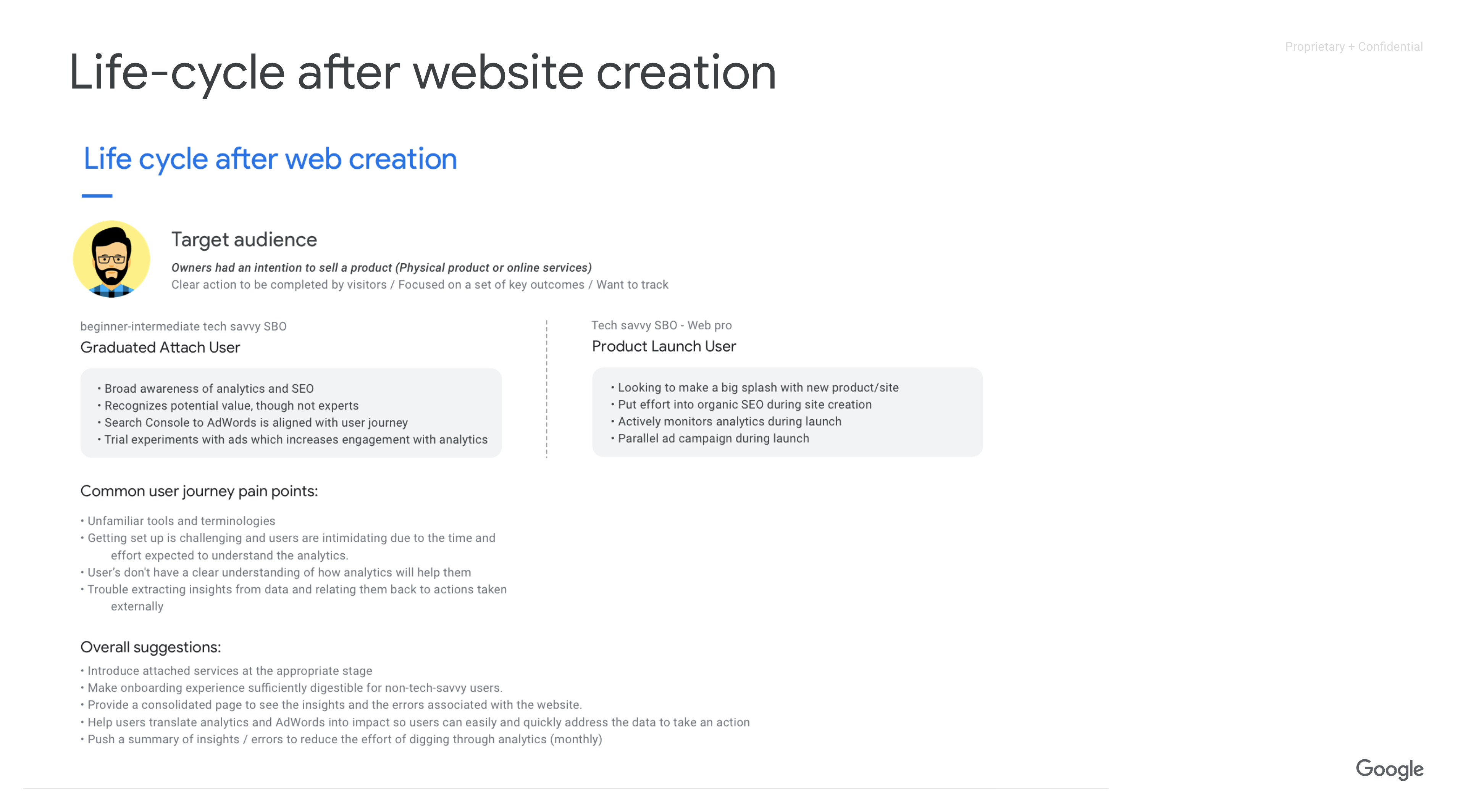
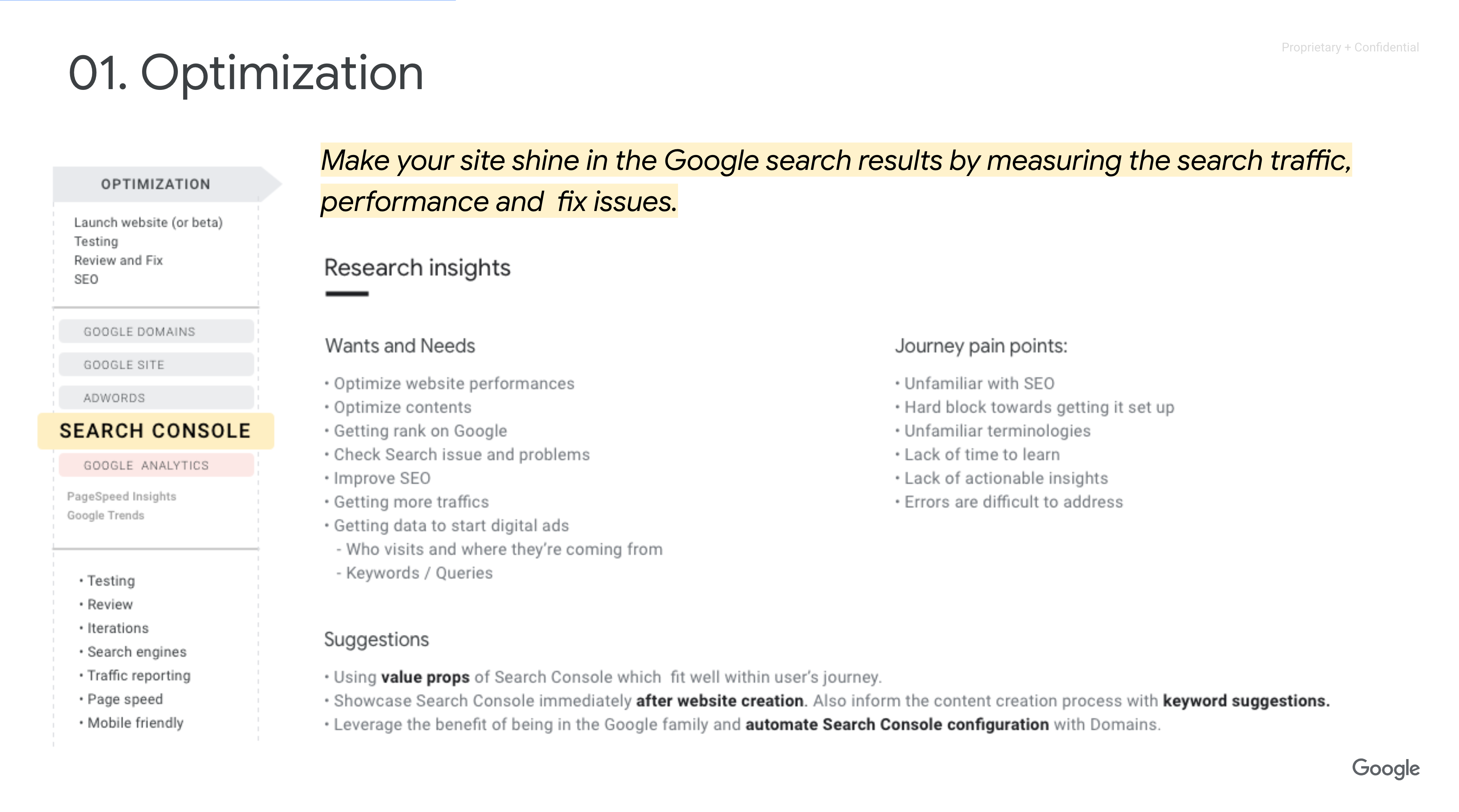
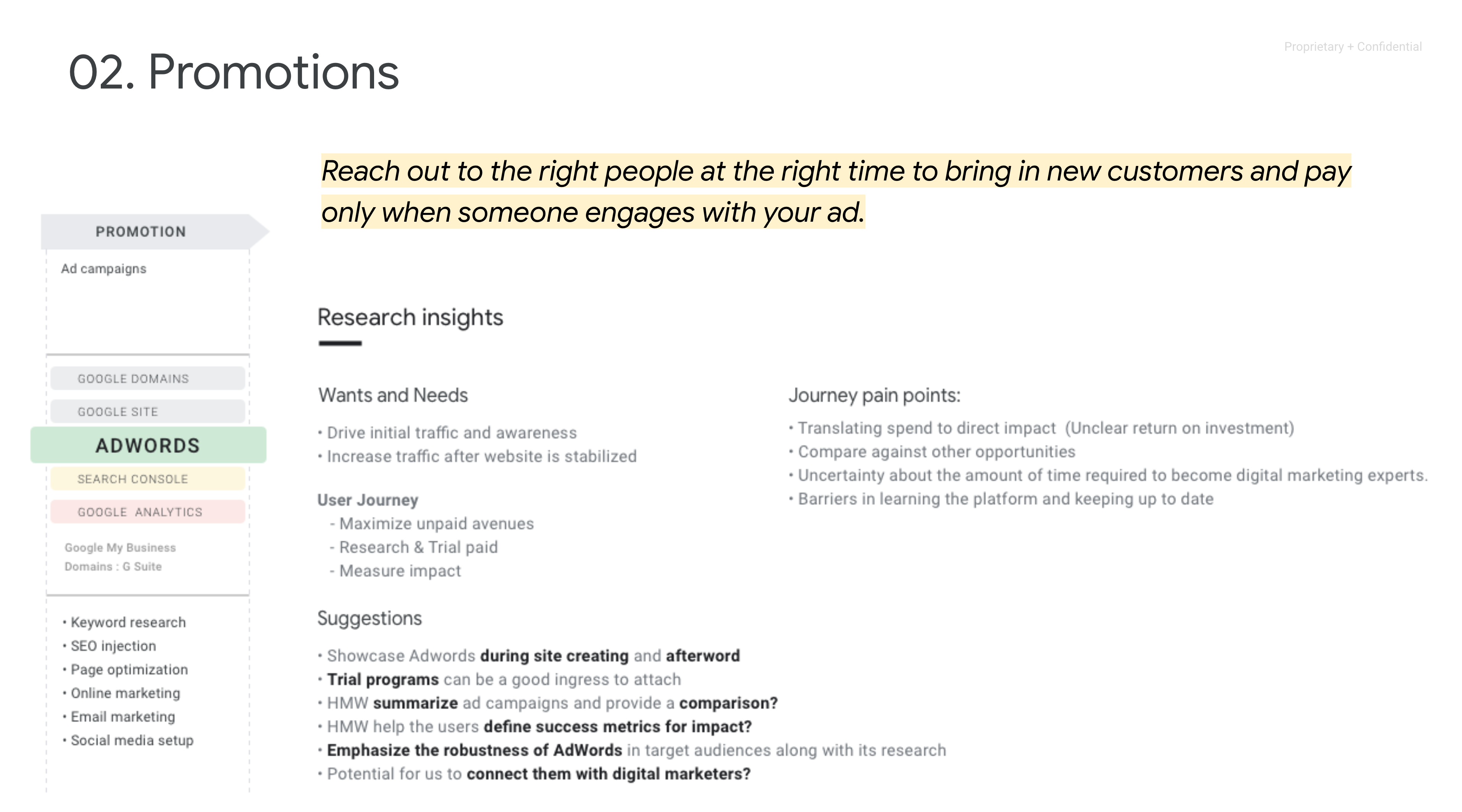
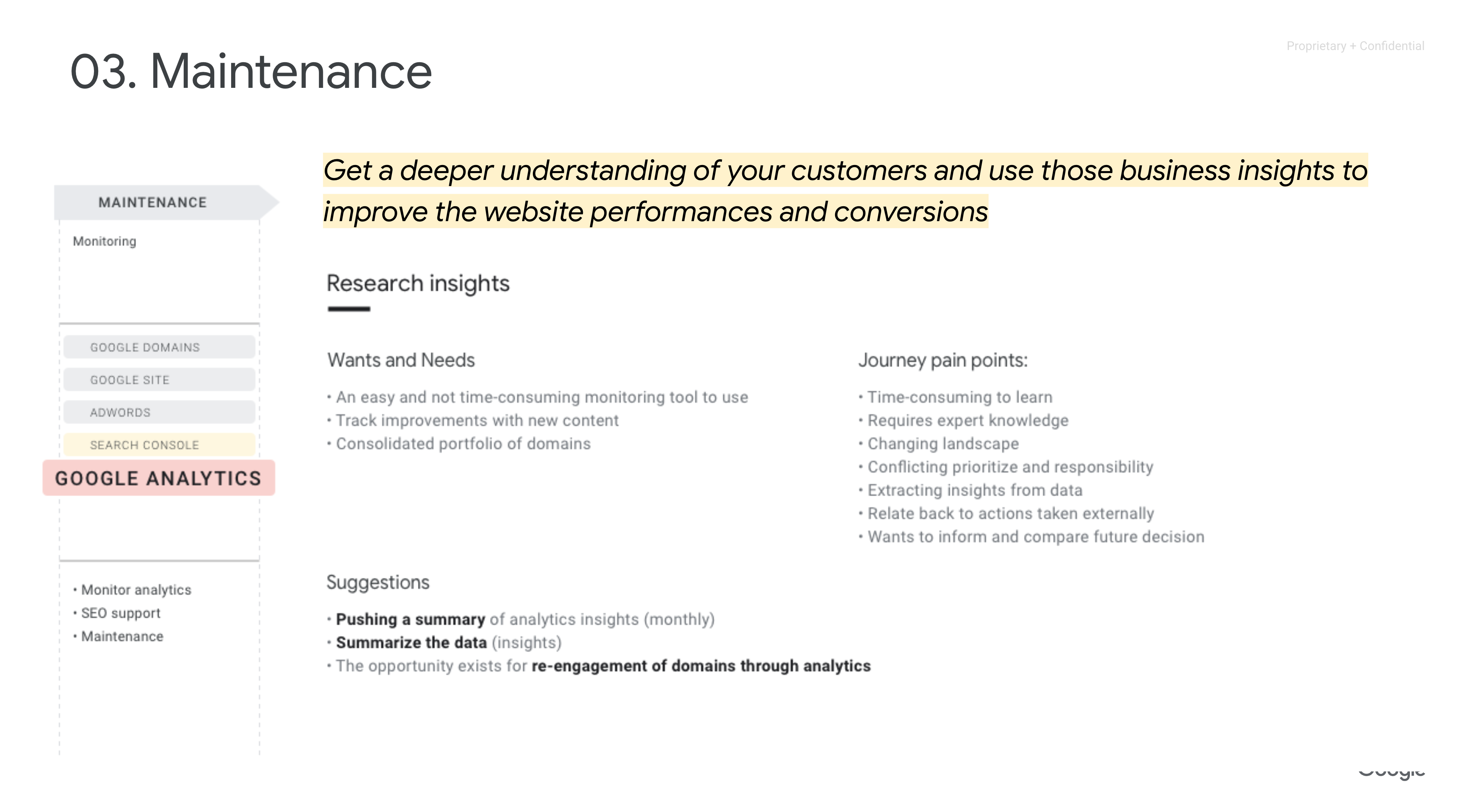
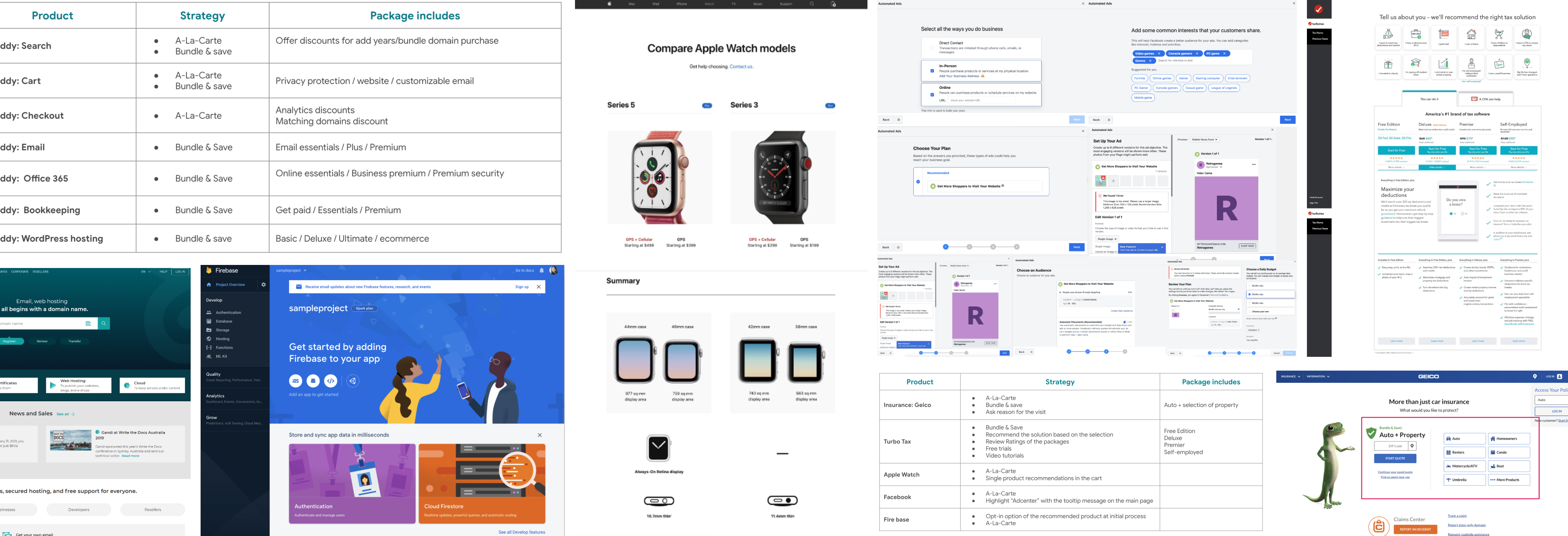
Partnered with the Business Development team to study 8 companies' strategies and service packages, gathering insights into competitor tactics, strategic approaches, and packaging best practices.
03 — Brainstorming session
I facilitated a half-day brainstorming session with 11 cross-functional team members (2 PM, 2 Eng, 1 Marketing, 2 Business Development, 4 UXers). We analyzed SMB user journeys and prior research to define objectives and explore ideal service-bundling concepts. Activities like Crazy Eights and How-Might-We fueled ideation — then I synthesized the ideas into a prioritized list for team voting.

A one-stop shop to get online — a quick, easy way to get started that just works.
Manage everything in one convenient place.
Trustworthy recommendations paired with a guided journey.
04 — Concept study
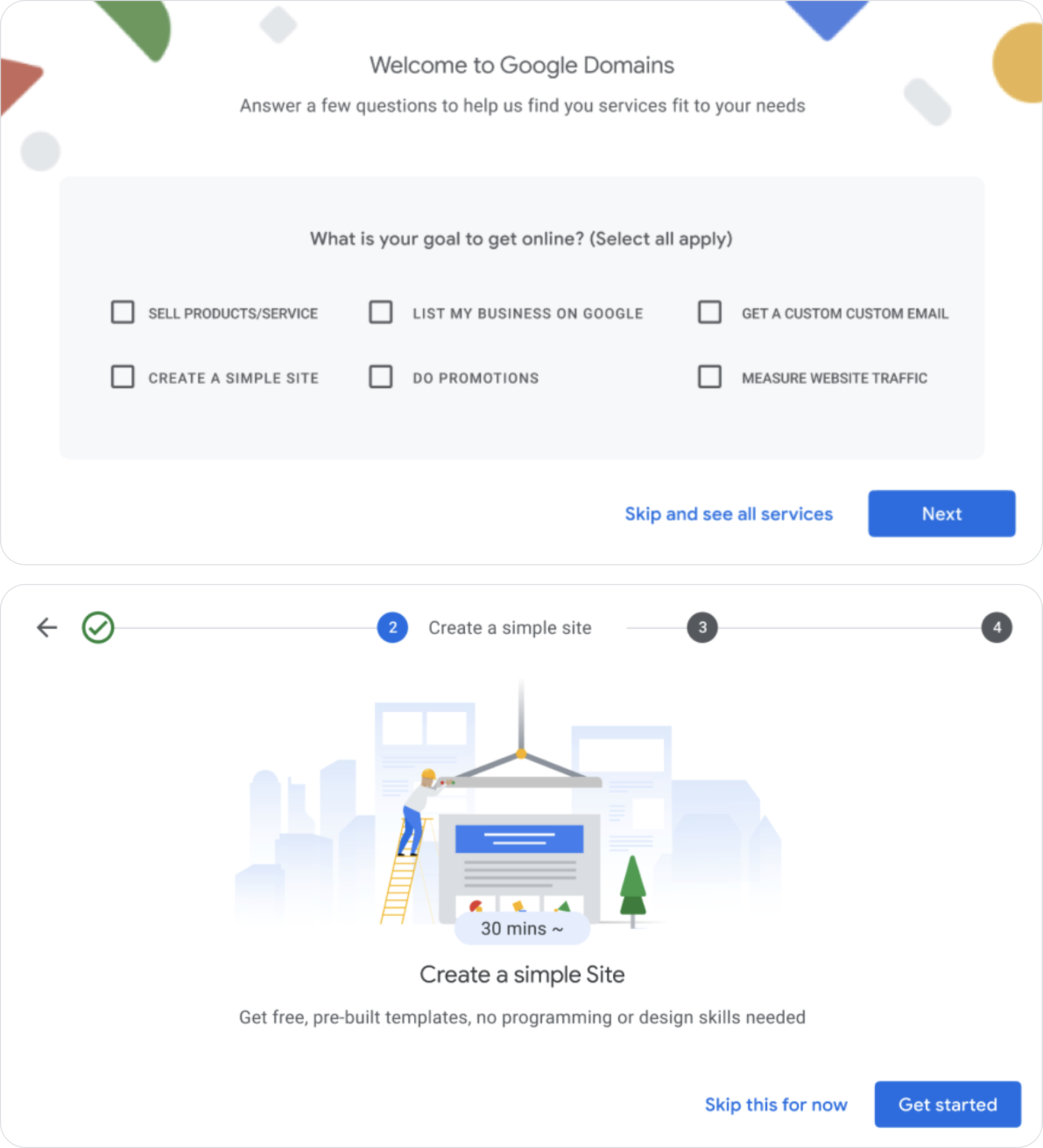
Building on the brainstorm, I collaborated with UXR on a concept study — 10 qualitative sessions with Domains users exploring 3 service-packaging concepts. The goal: streamline the setup and optimization journey while highlighting the value of integrated services.
05 — Final design
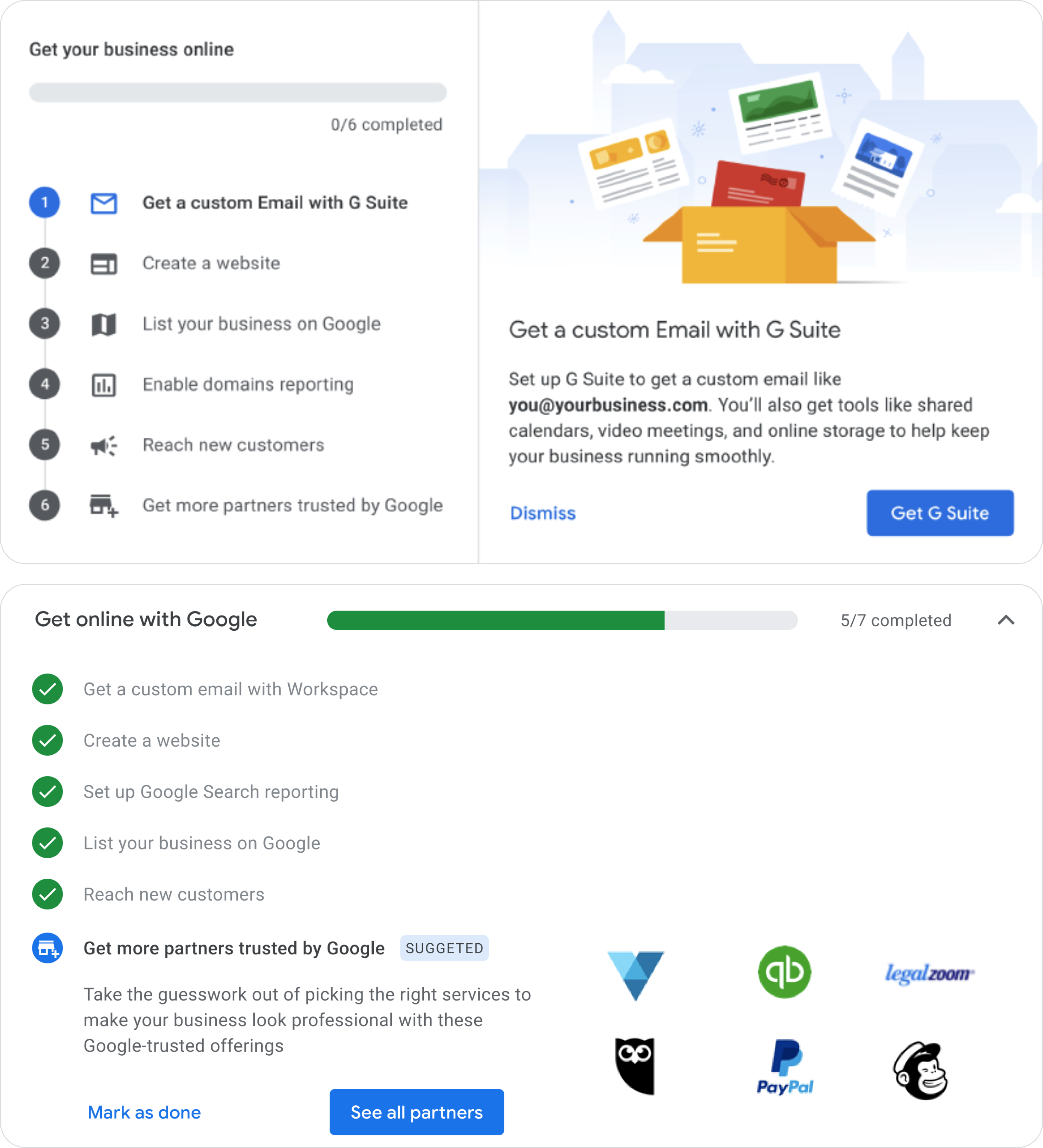
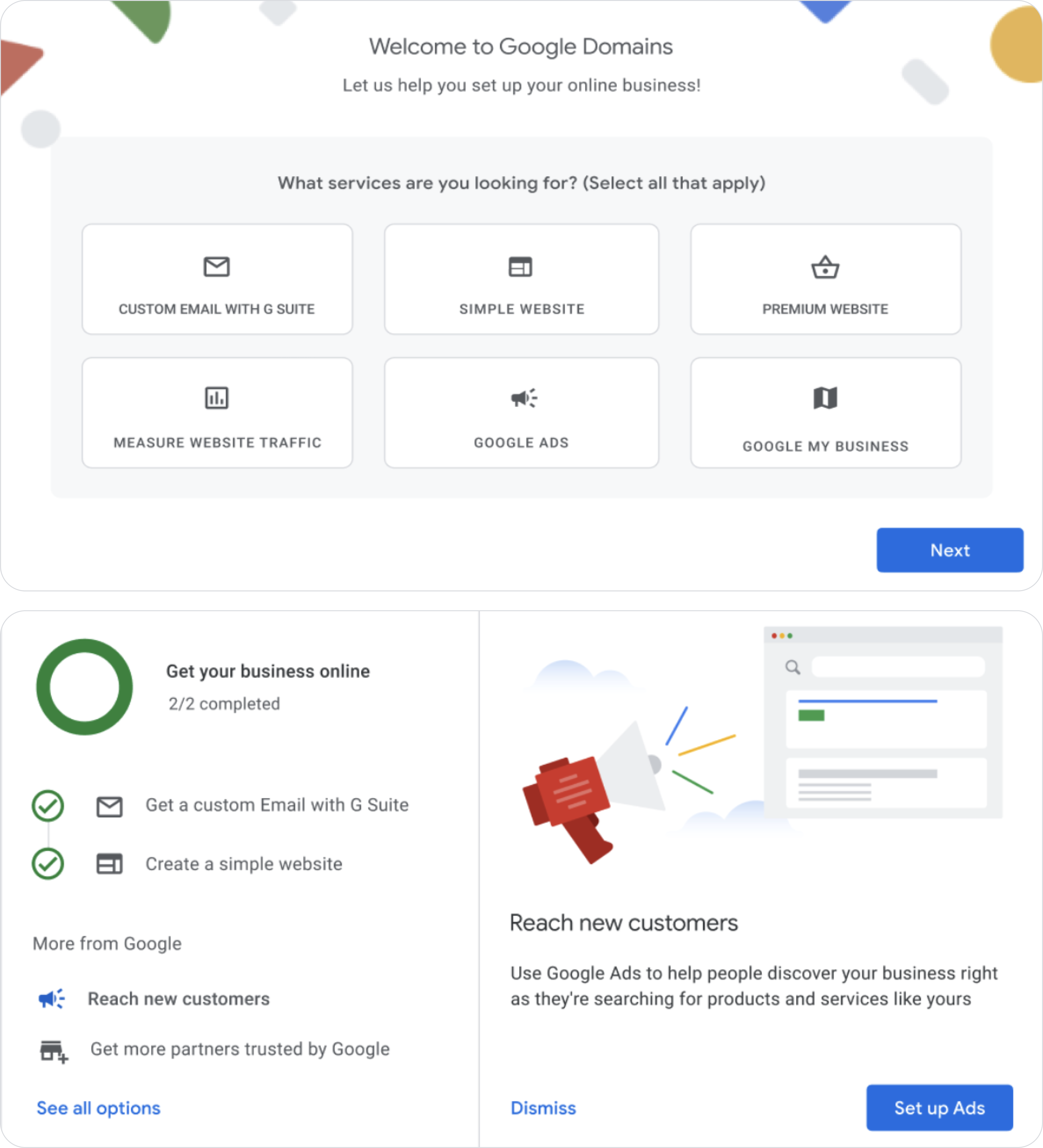
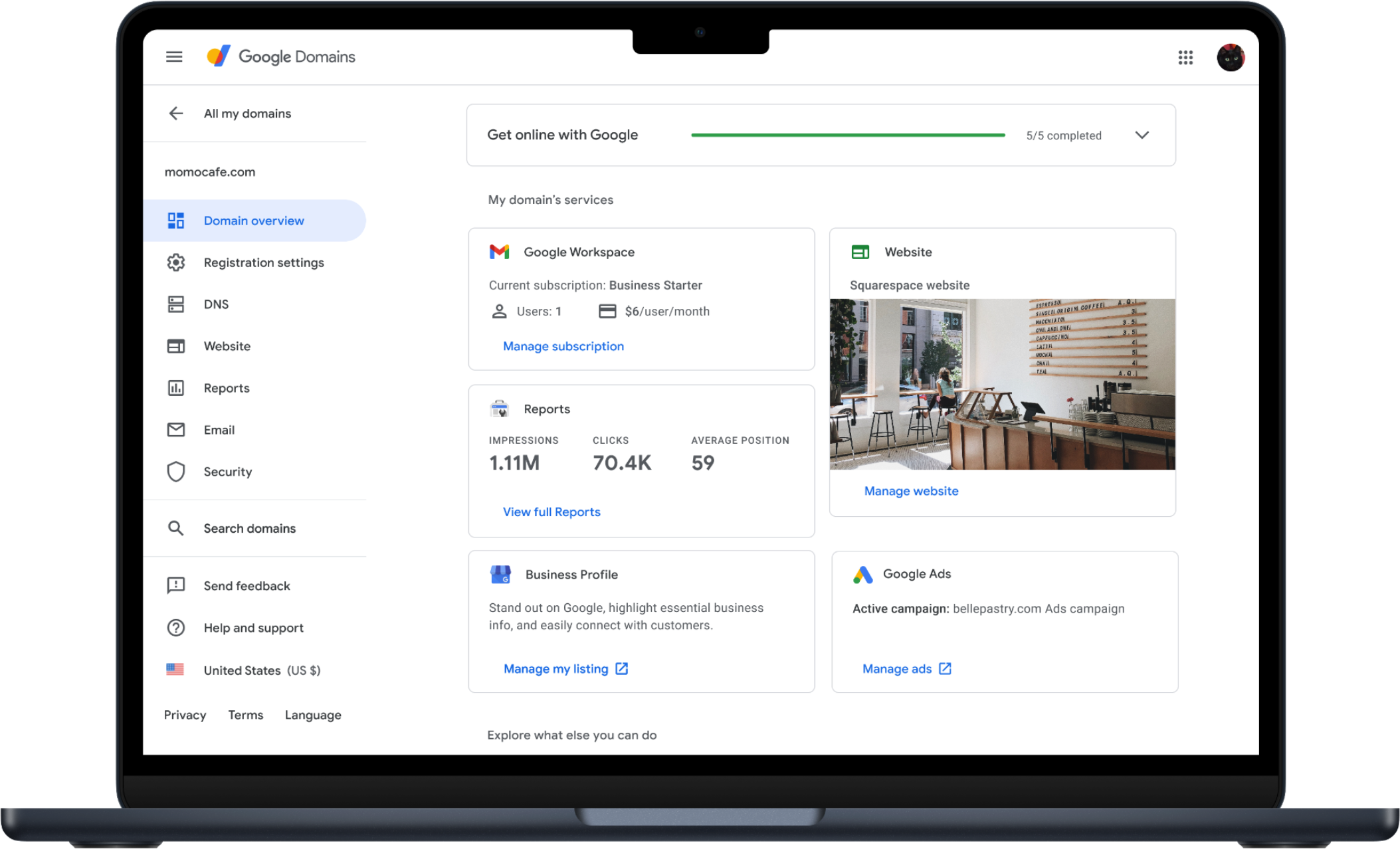
I synthesized research and concept-study feedback into design principles, then delivered a user-centered final design.
Help users get online and recommend trustworthy products that make their business successful.
Add value to the journey — and make that value understandable from the context given.
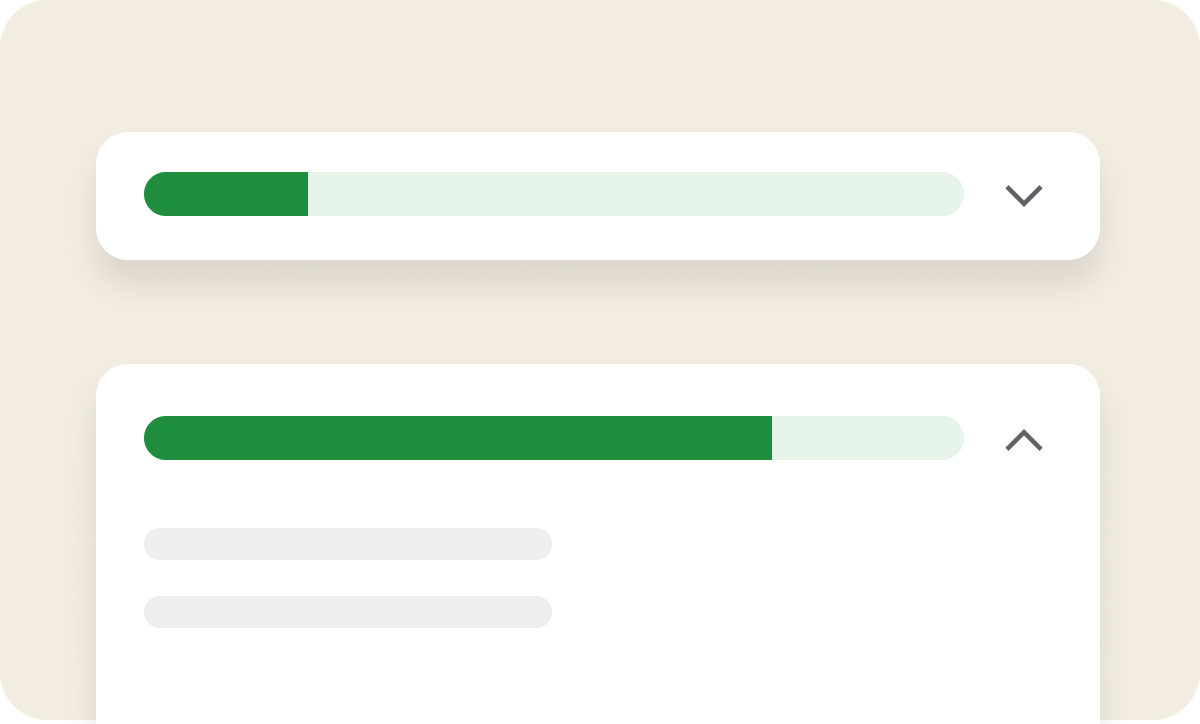
Provide an easy entry point for each service and a prescriptive set of steps to get the most out of the domain.
06 — Impact
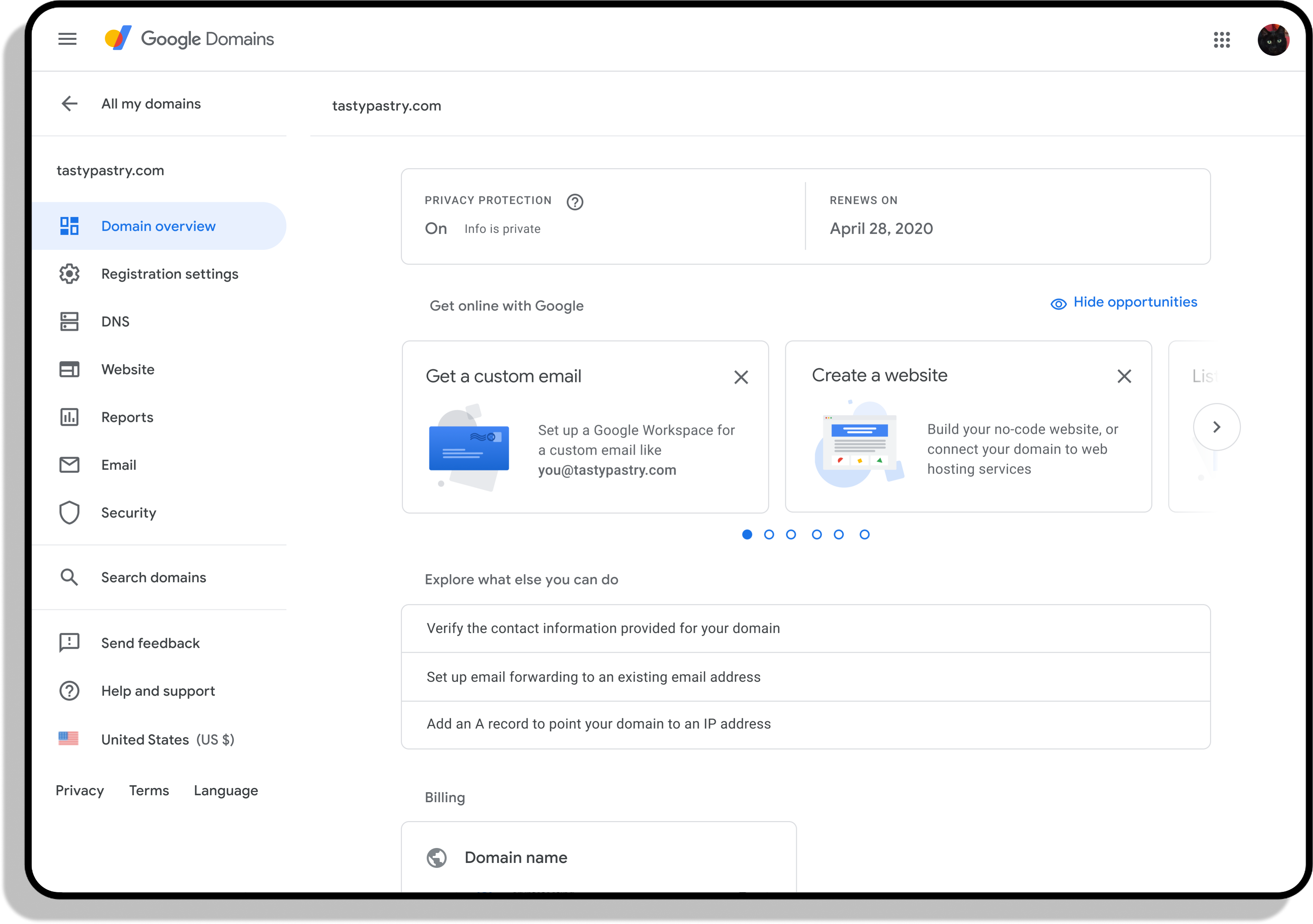
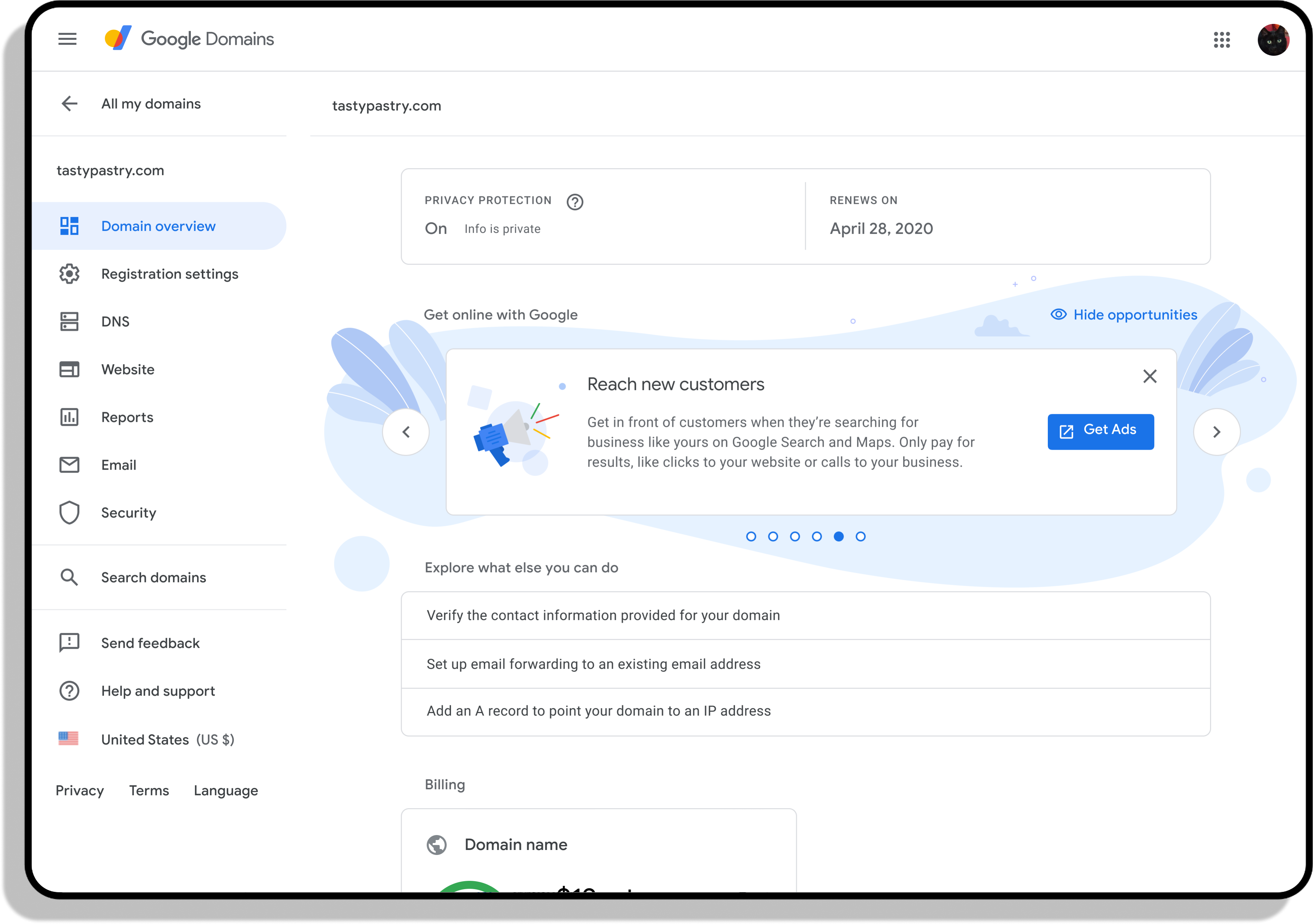
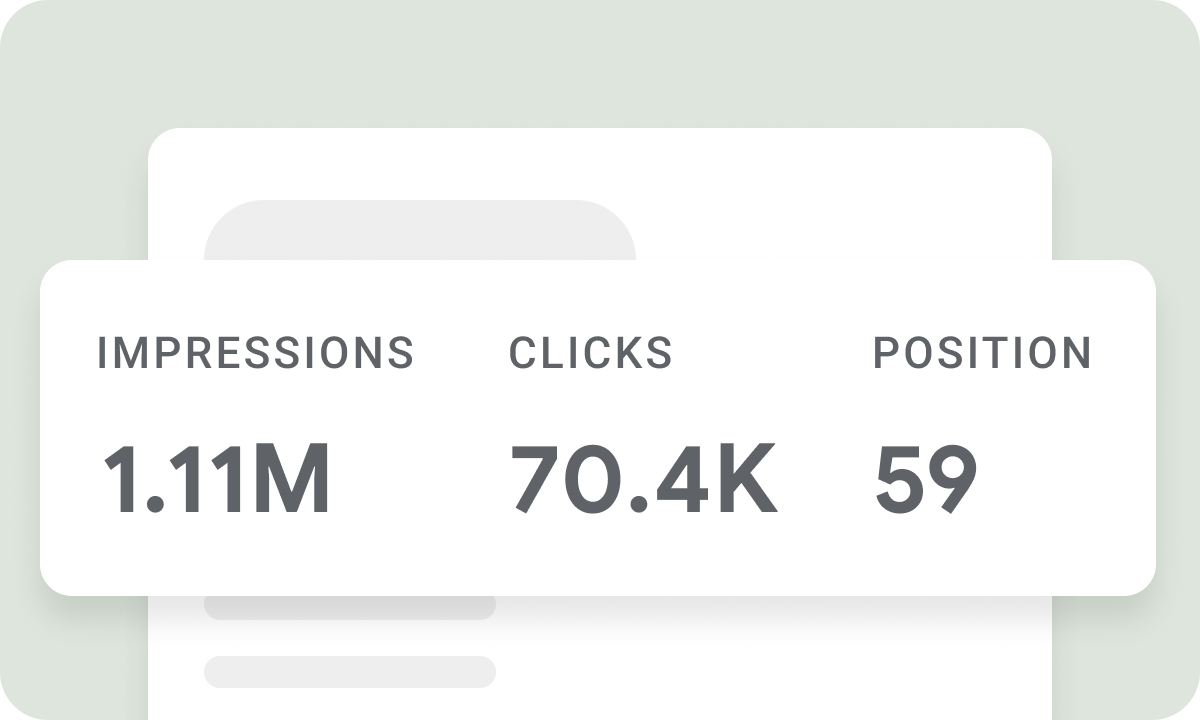
The Guided Journey feature launched in Q2 2021. Initial outcomes from the first month:
A prescriptive, guided path turned first-time domain owners into active users of the wider Google ecosystem.
07 — Post-launch
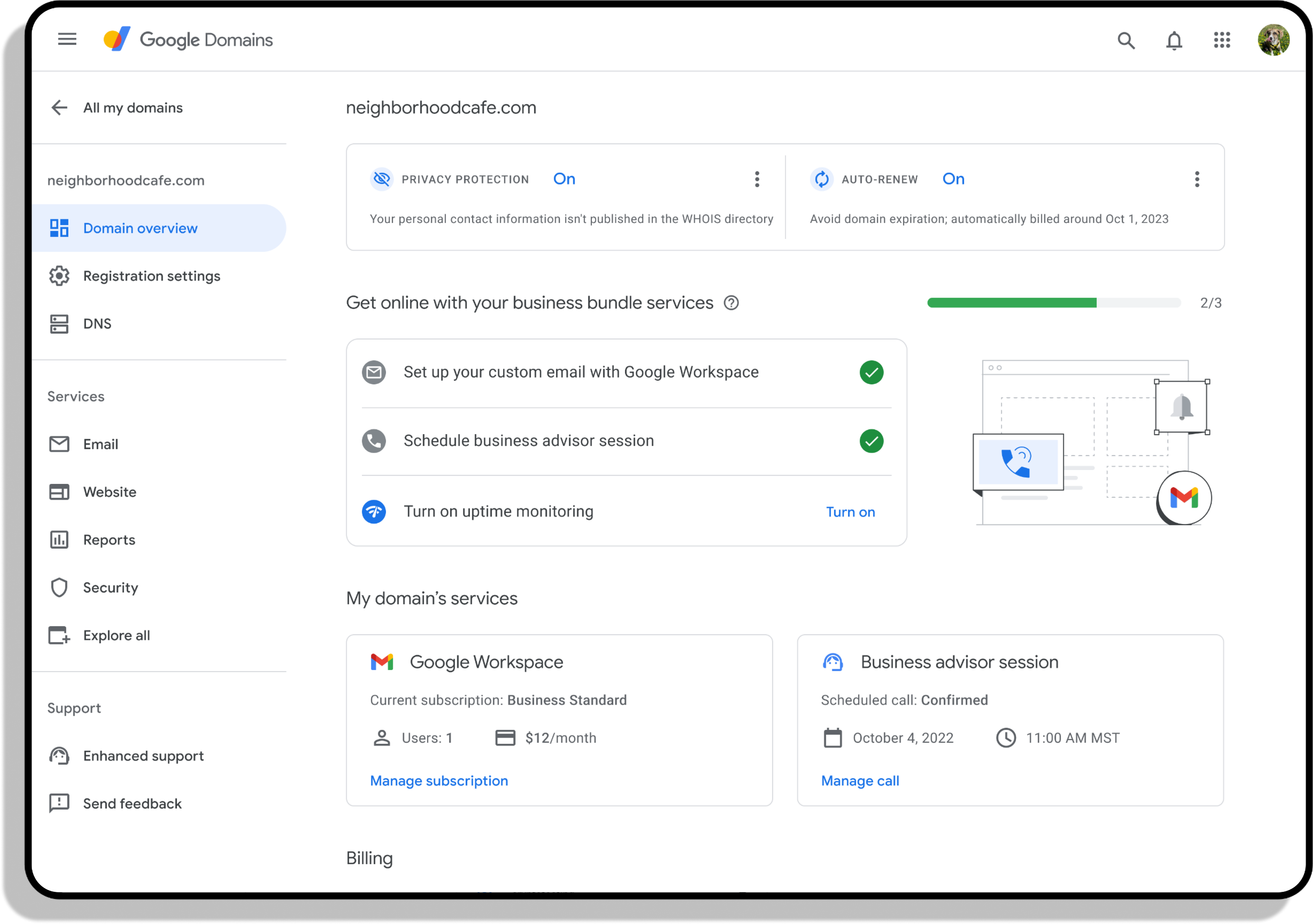
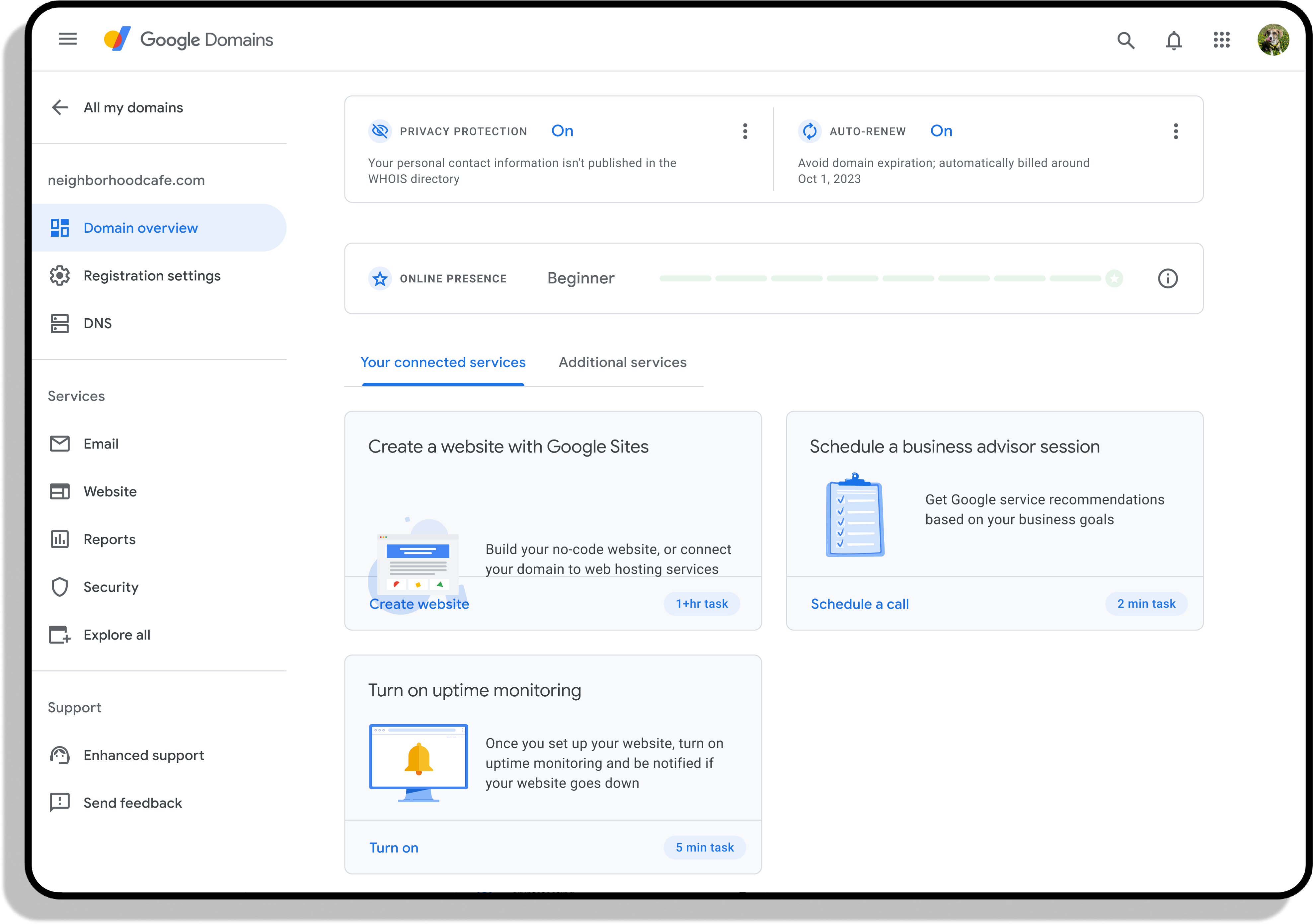
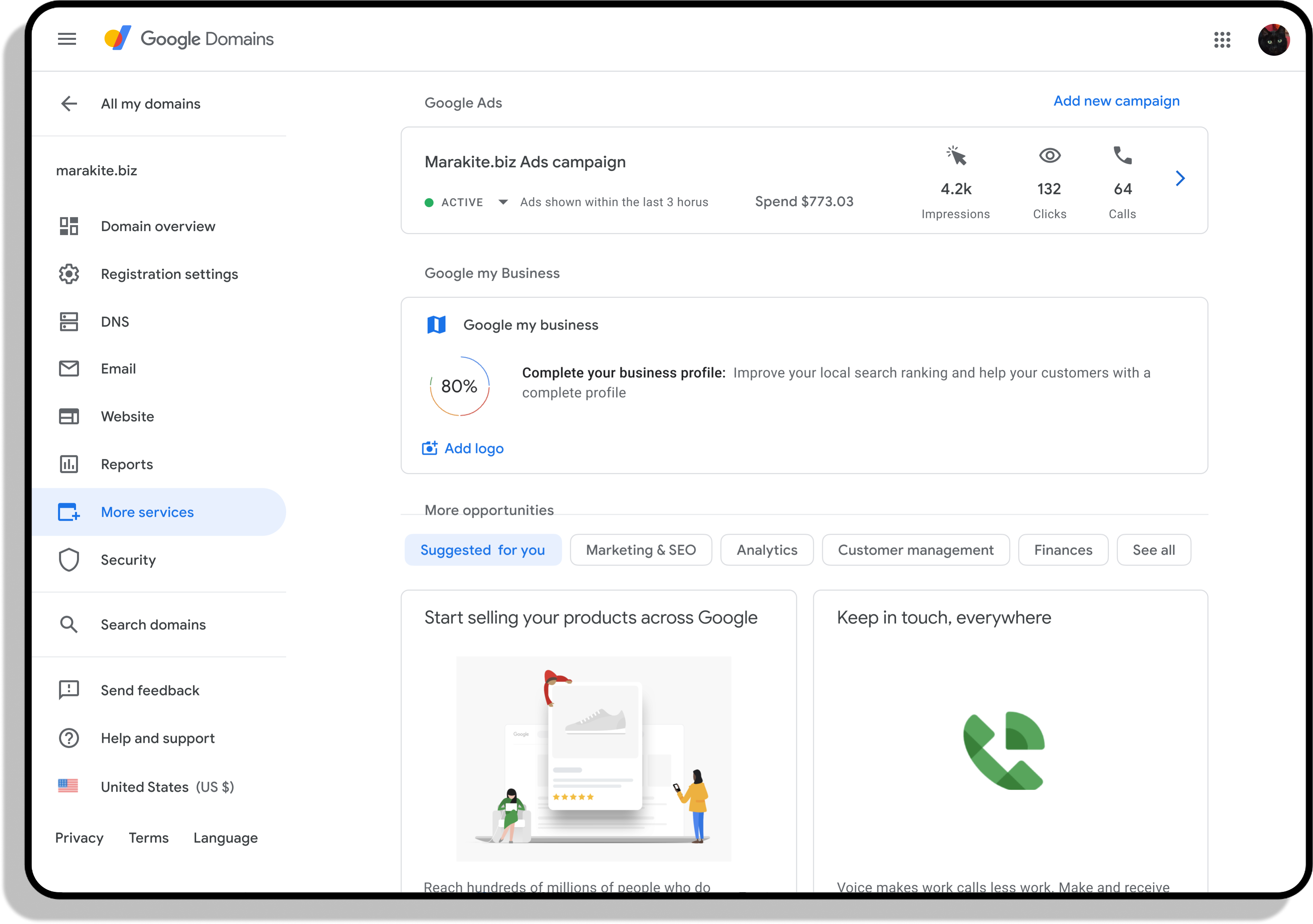
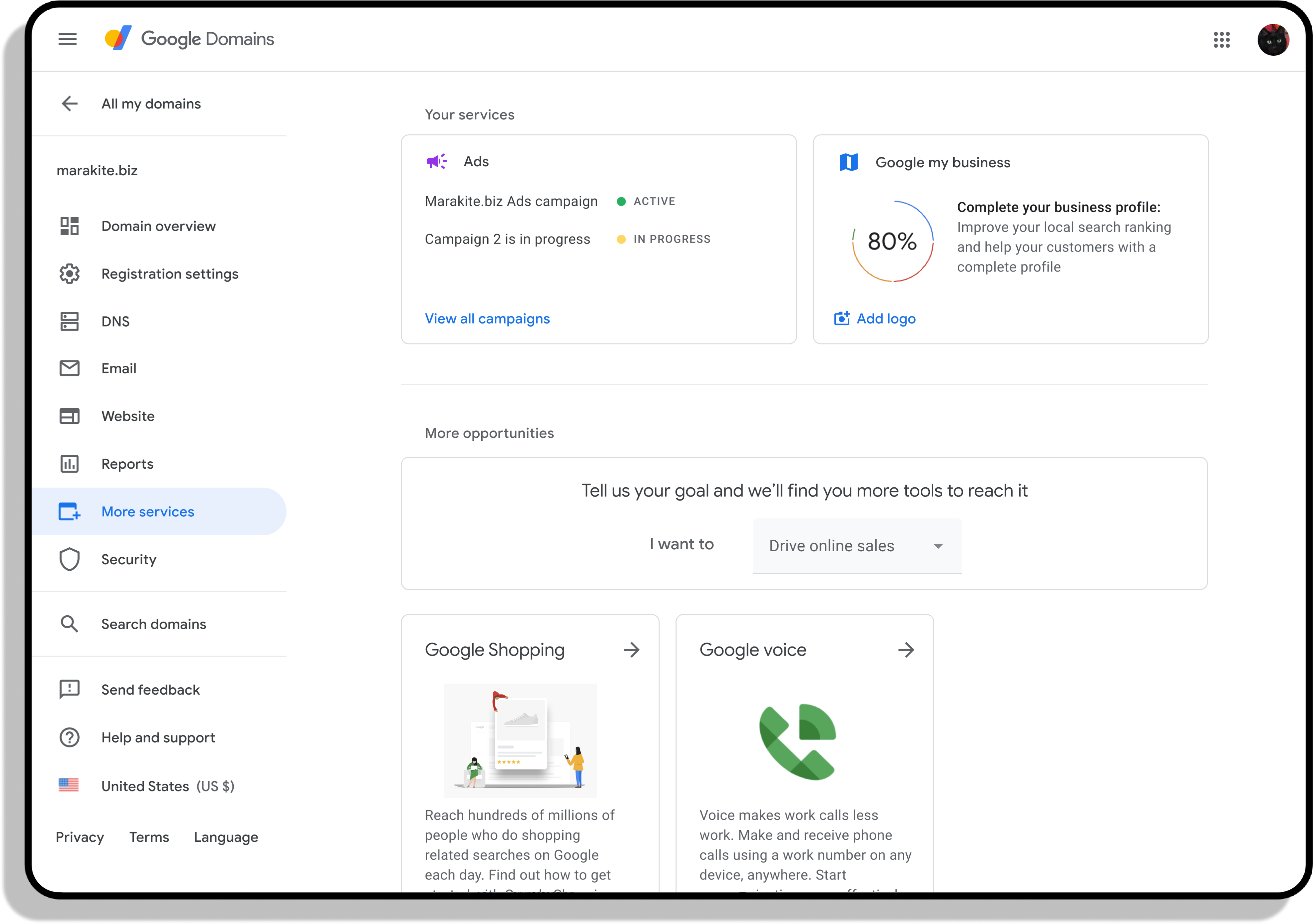
After v1's successful launch, we began exploring a v2 approach — designing for greater flexibility and scalability as we continued to integrate additional features into the growing scope of Google Domains.
While v1 boosted overall service adoption, its stepper component posed limitations. The UX team focused on long-term solutions to increase scalability and reimagine the Domains overview page for better post-registration utility — exploring various styles, components, and patterns to inform future enhancements.