Case Study · Pervacio (client: Sprint) · 2018
Pervacio provides a suite of diagnostics tools and fully integrated platforms designed to serve the mobile device industry. These tools cater to a wide range of customers, including end users, retail stores, and warehouses, each with tailored GUI and UX to meet their specific needs. This page showcases the various applications of these tools and how they enhance customer satisfaction and operational efficiency.
01 — The challenge
Carriers lose enormous value to devices returned as "defective" that are, in fact, fully functional. Traditional diagnostics relied on slow, manual, inconsistent checks — agents and customers had no fast, trustworthy way to confirm whether a device actually had a problem.
Manual, screen-by-screen checks that were slow, error-prone, and impossible to standardize across thousands of retail and care locations.
An automated, guided diagnostic — clear pass/fail results a customer, retail associate, or care agent can all trust.
02 — Design sprint
We kicked off with a focused two-day design sprint alongside the Sprint UX team. Our PM and UX team worked shoulder-to-shoulder with Sprint's PM and UX team throughout — and because Sprint was our very first client for the device diagnostic app, getting that shared vision right mattered enormously.
Together we shaped the user flow, core features, and end-to-end user journey, aligning both teams around a single, cohesive vision for the product before moving into detailed design.
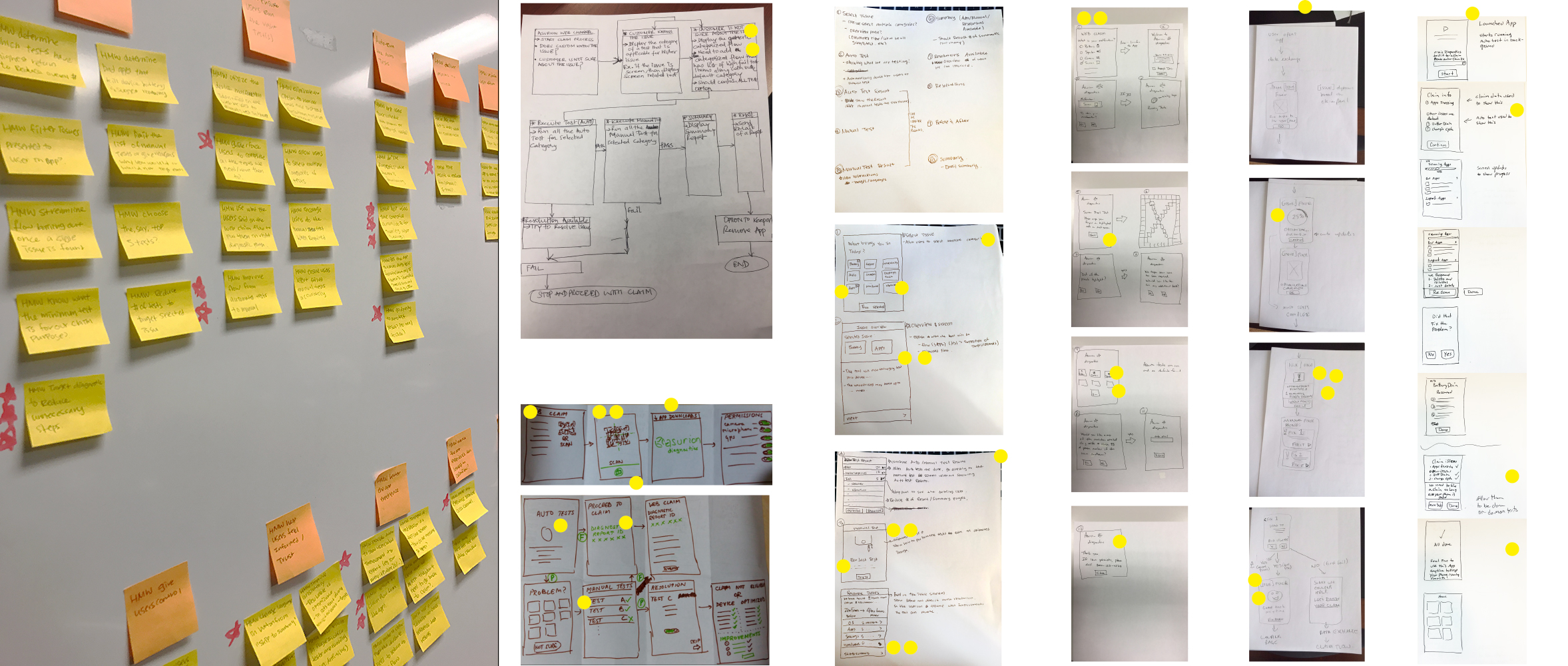
03 — User flow & journey
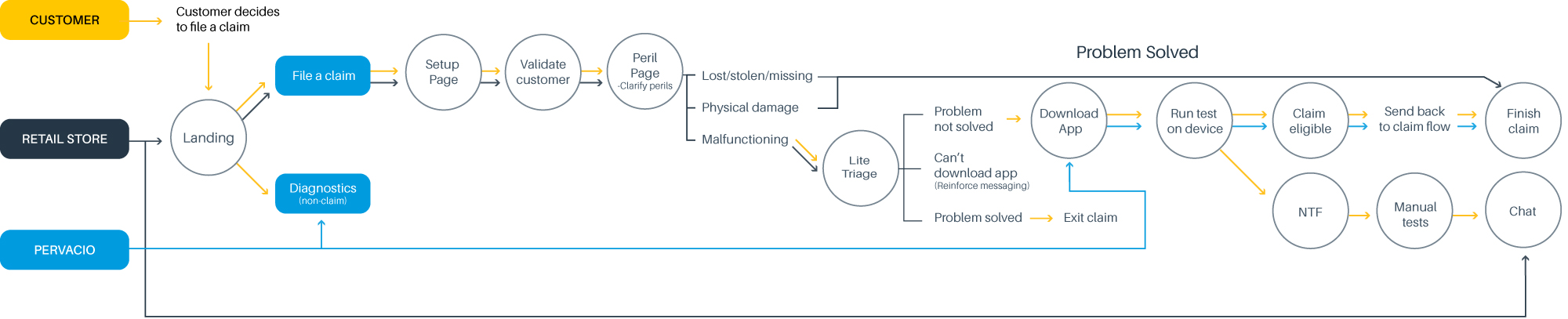
We mapped the end-to-end journey across the customer, retail associate, and care agent — identifying the moments where a clear, automated result would build trust and cut return friction.
04 — The solution
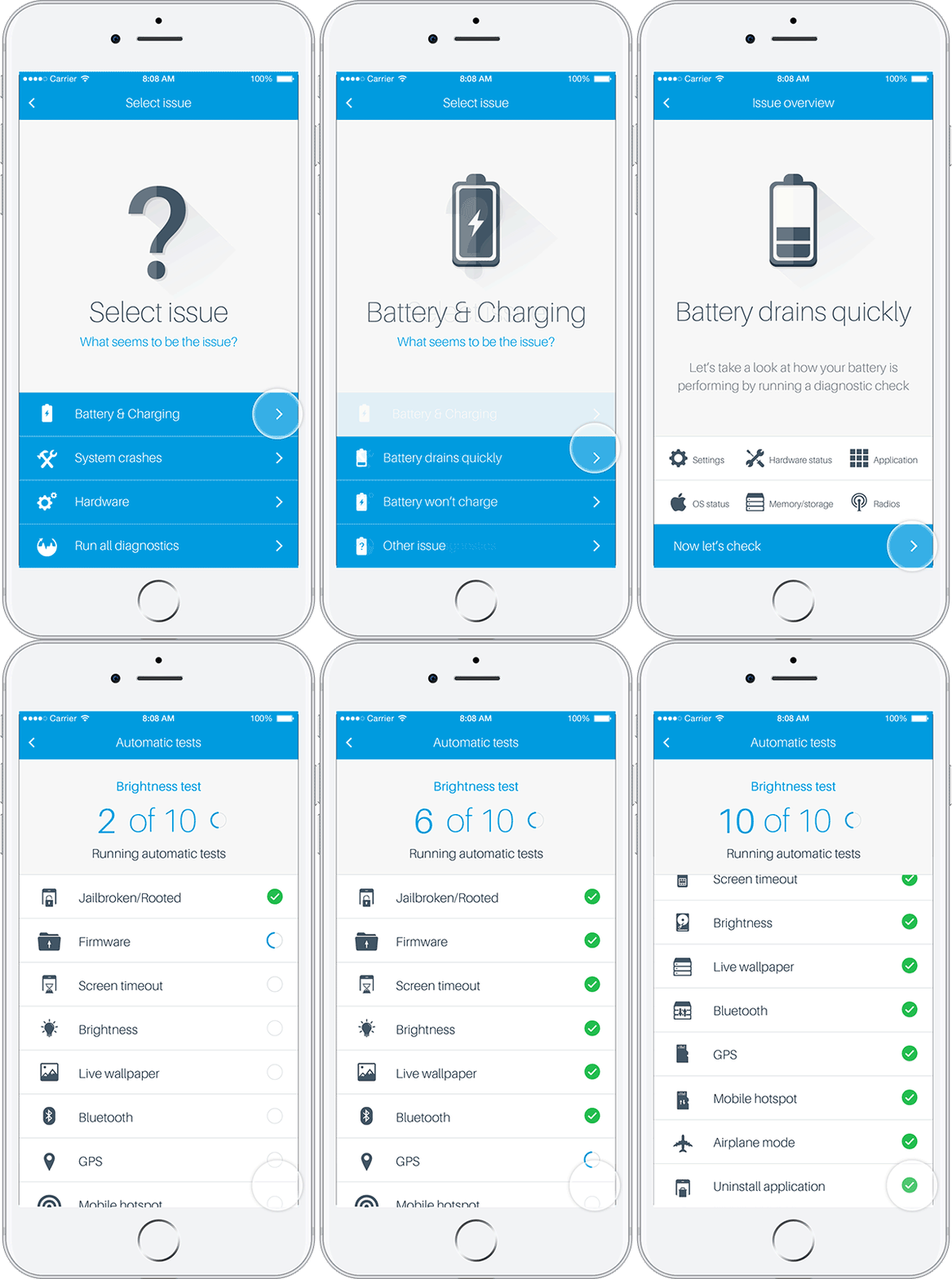
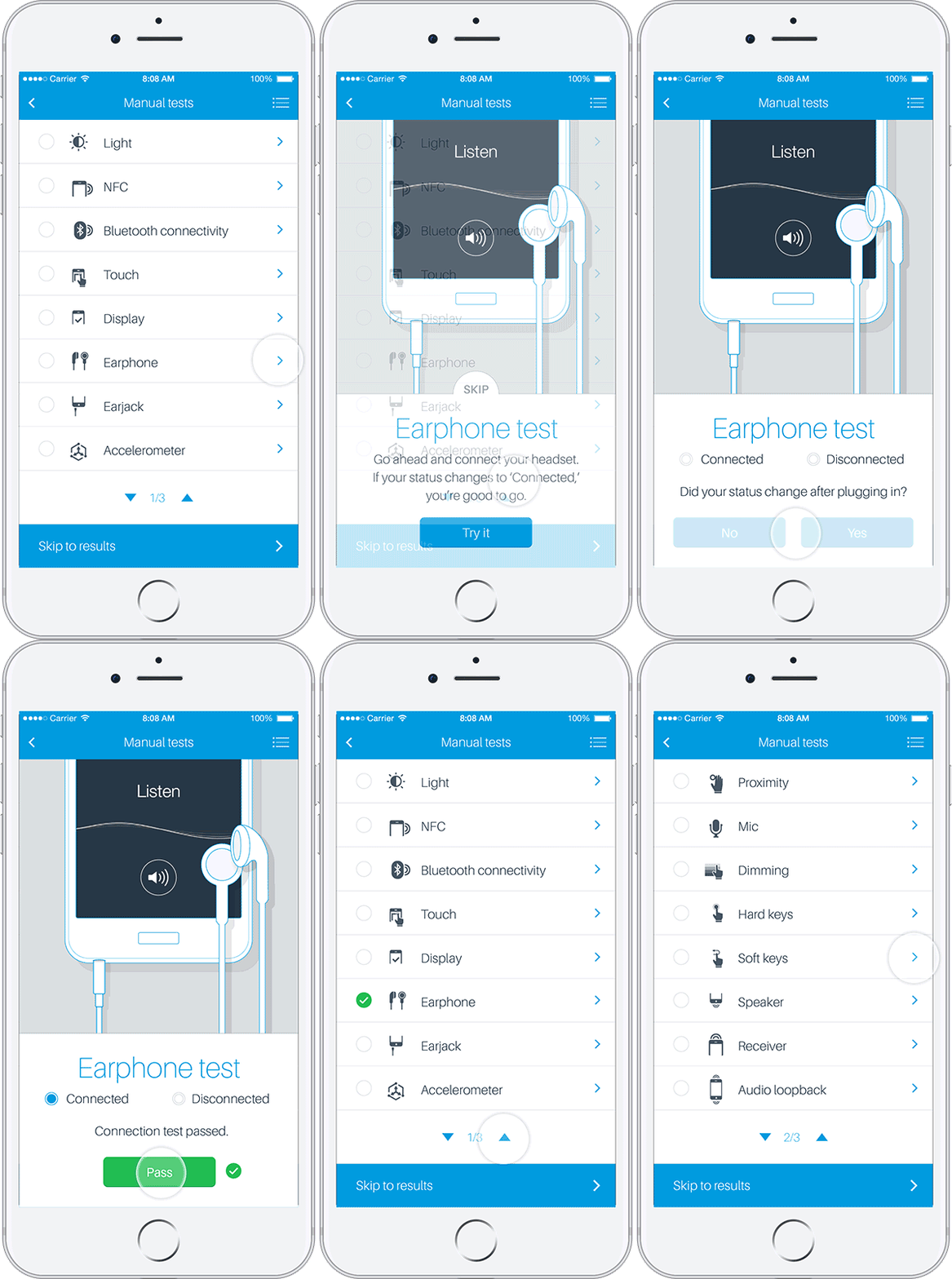
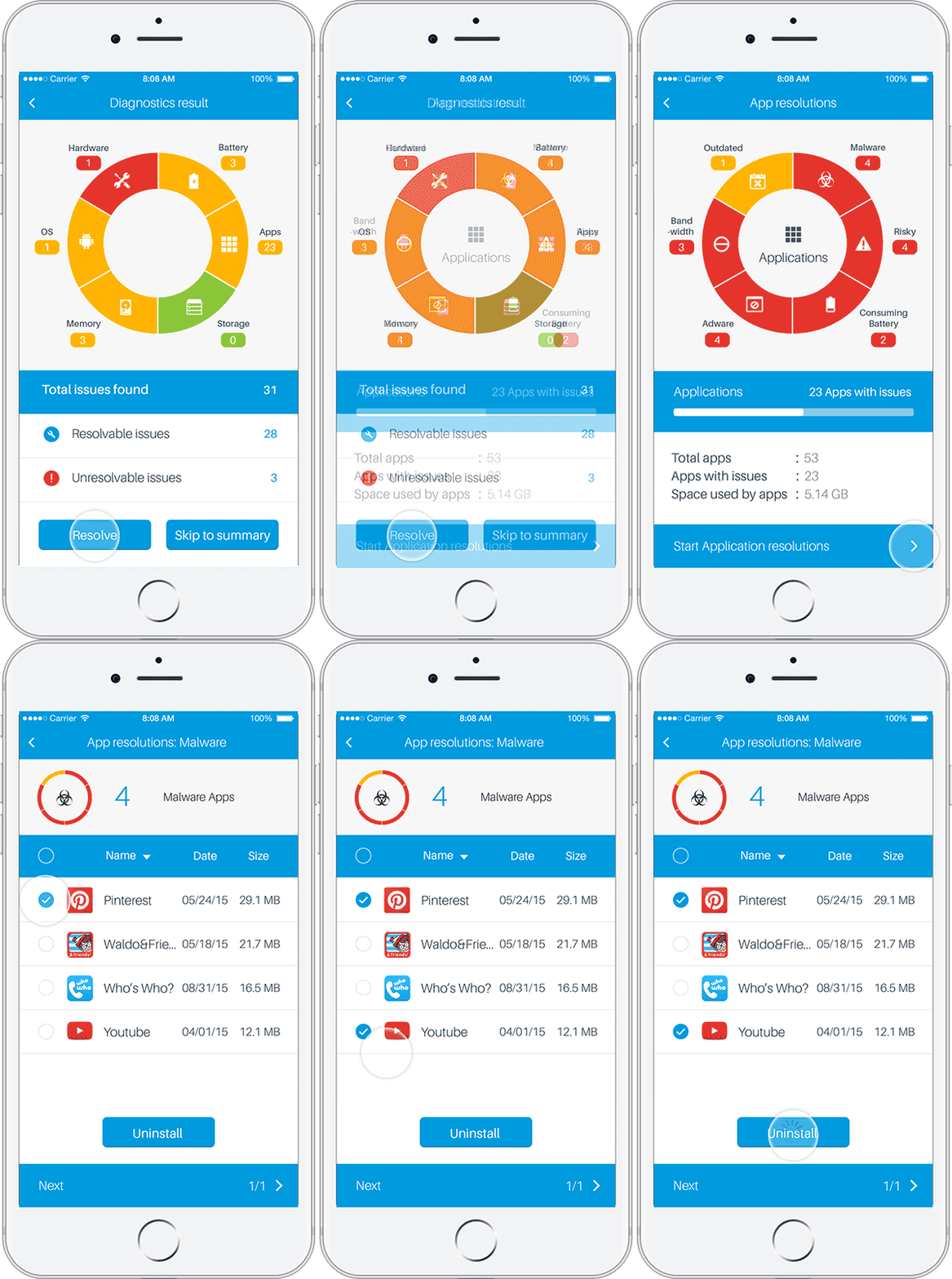
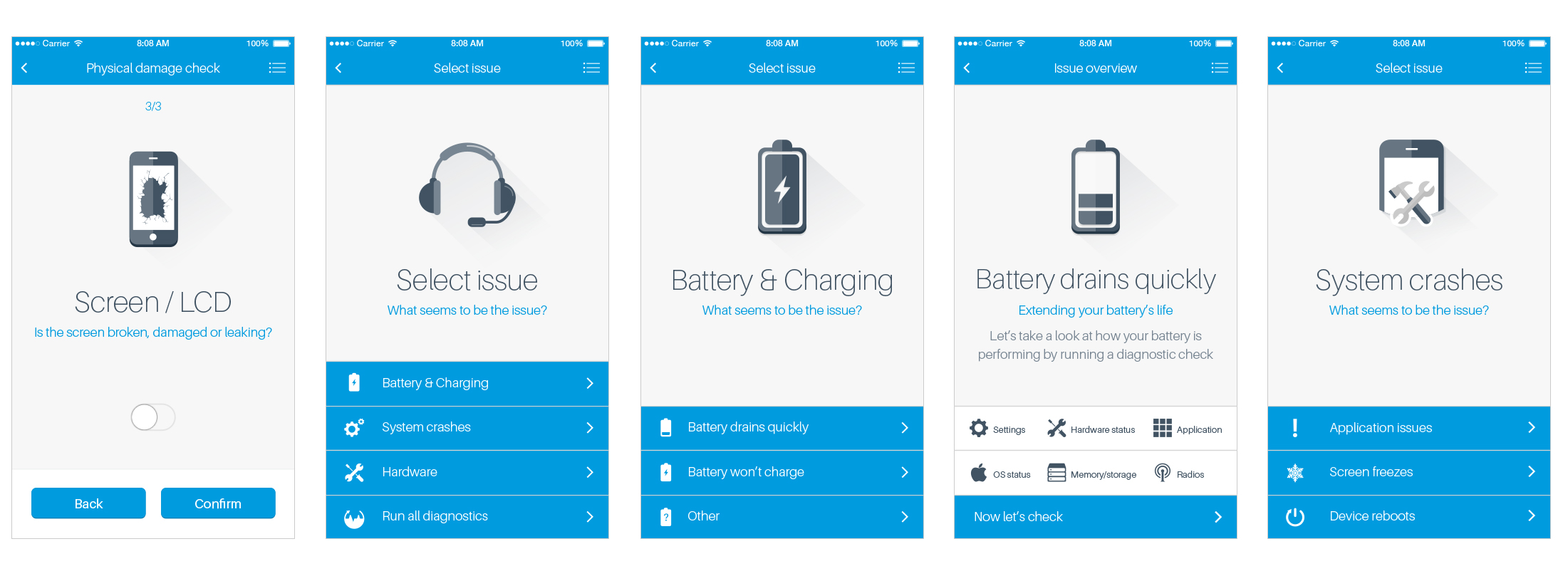
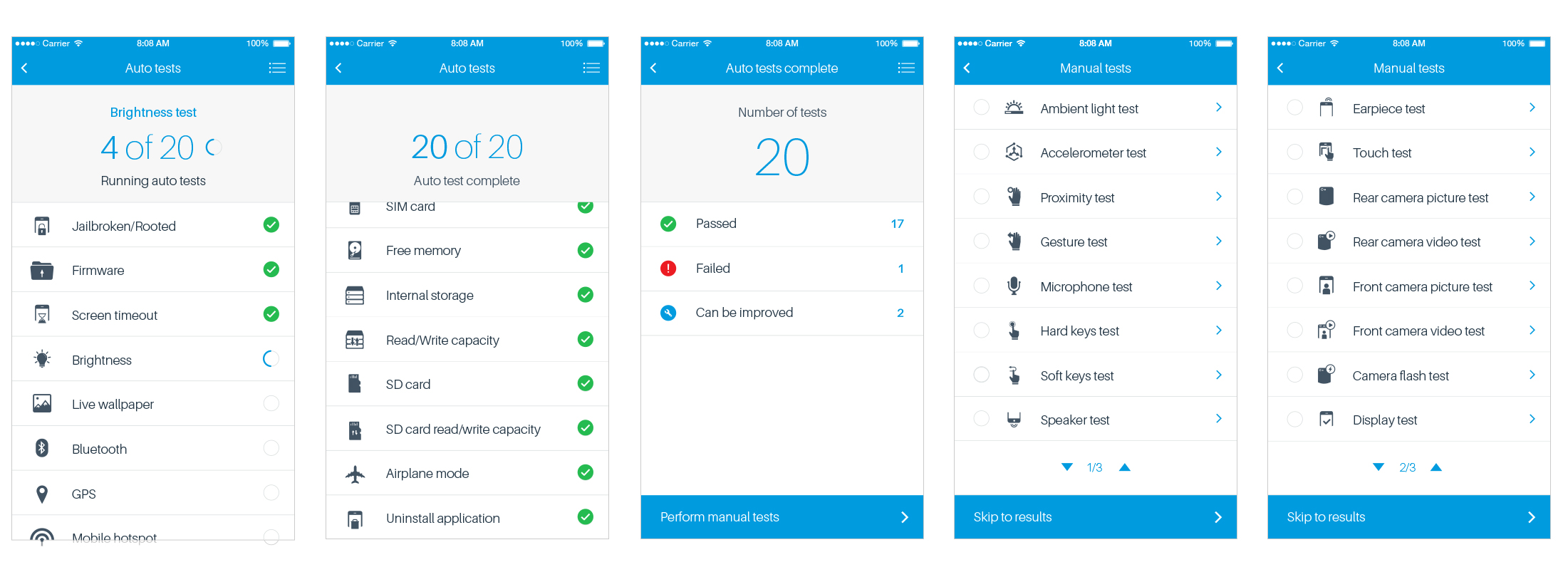
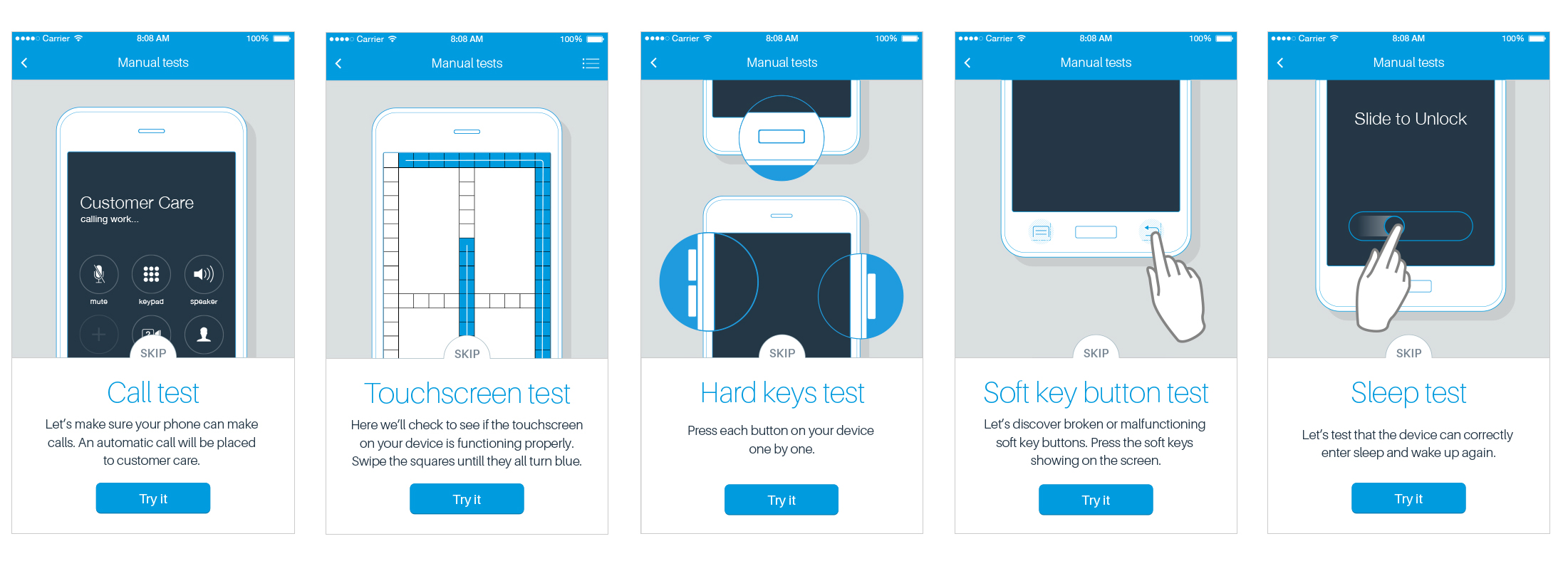
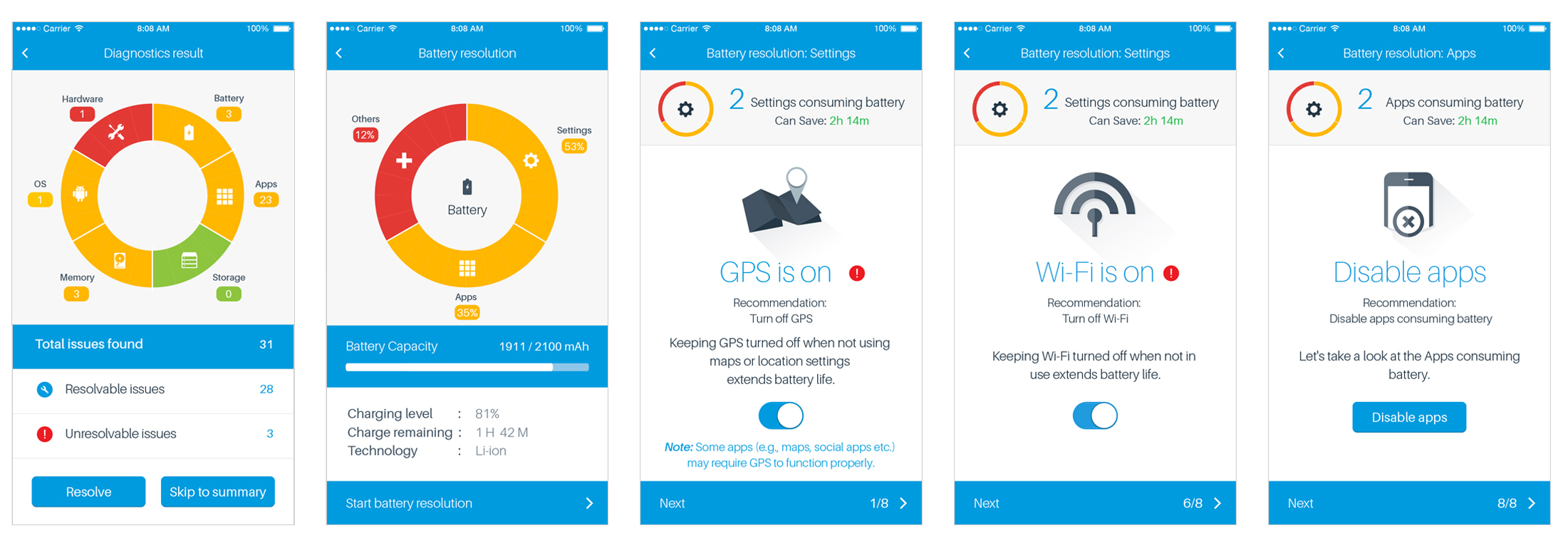
A single guided experience runs a full battery of hardware and software tests and returns clear, trustworthy results — usable on-device by customers and mirrored in a care-agent tool for support staff.
05 — Wireframes & flow charts
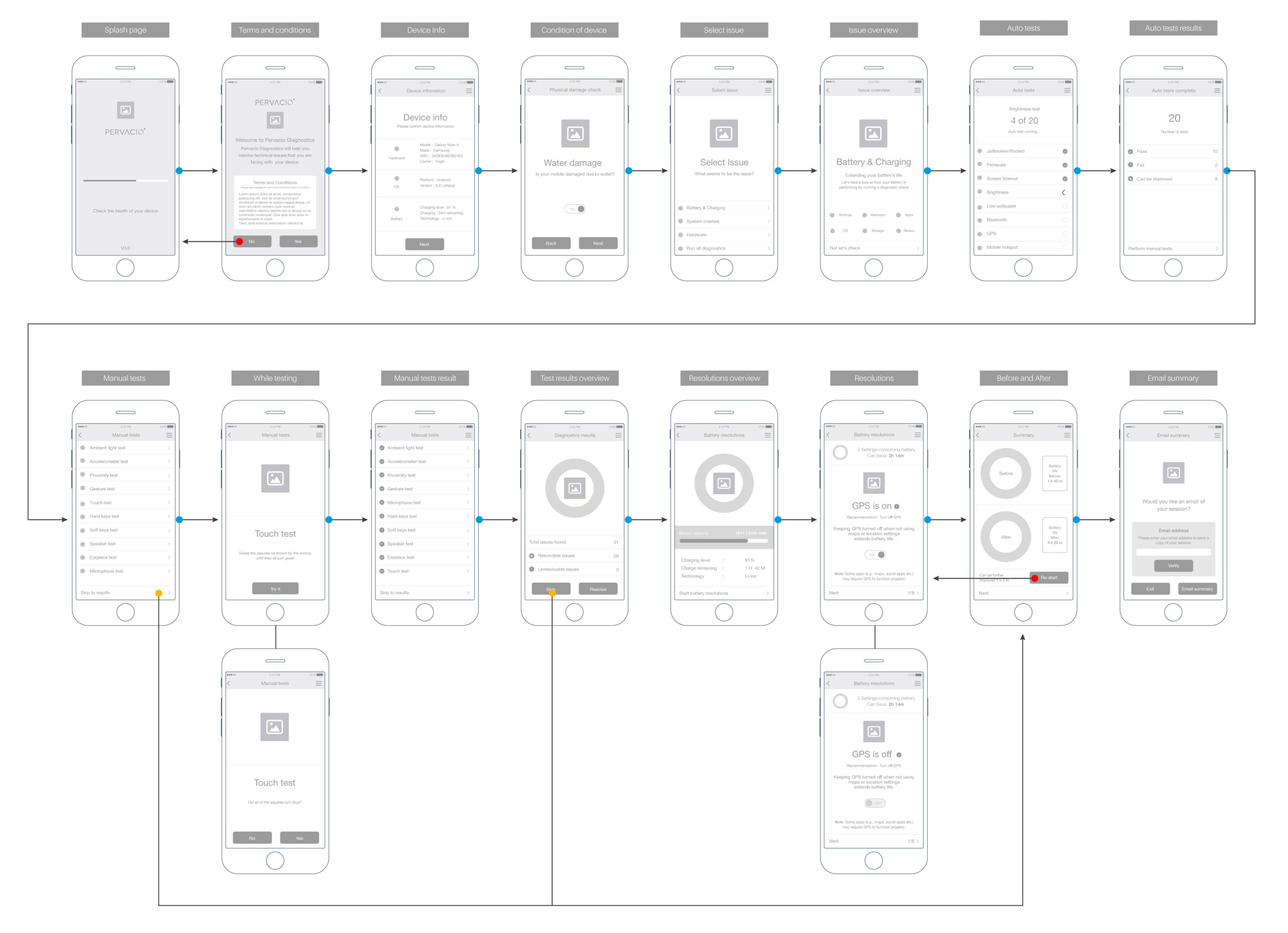
I translated the flows into detailed wireframes and flow charts — defining screen states, logic, and transitions across the diagnostic sequence.
06 — Visual design
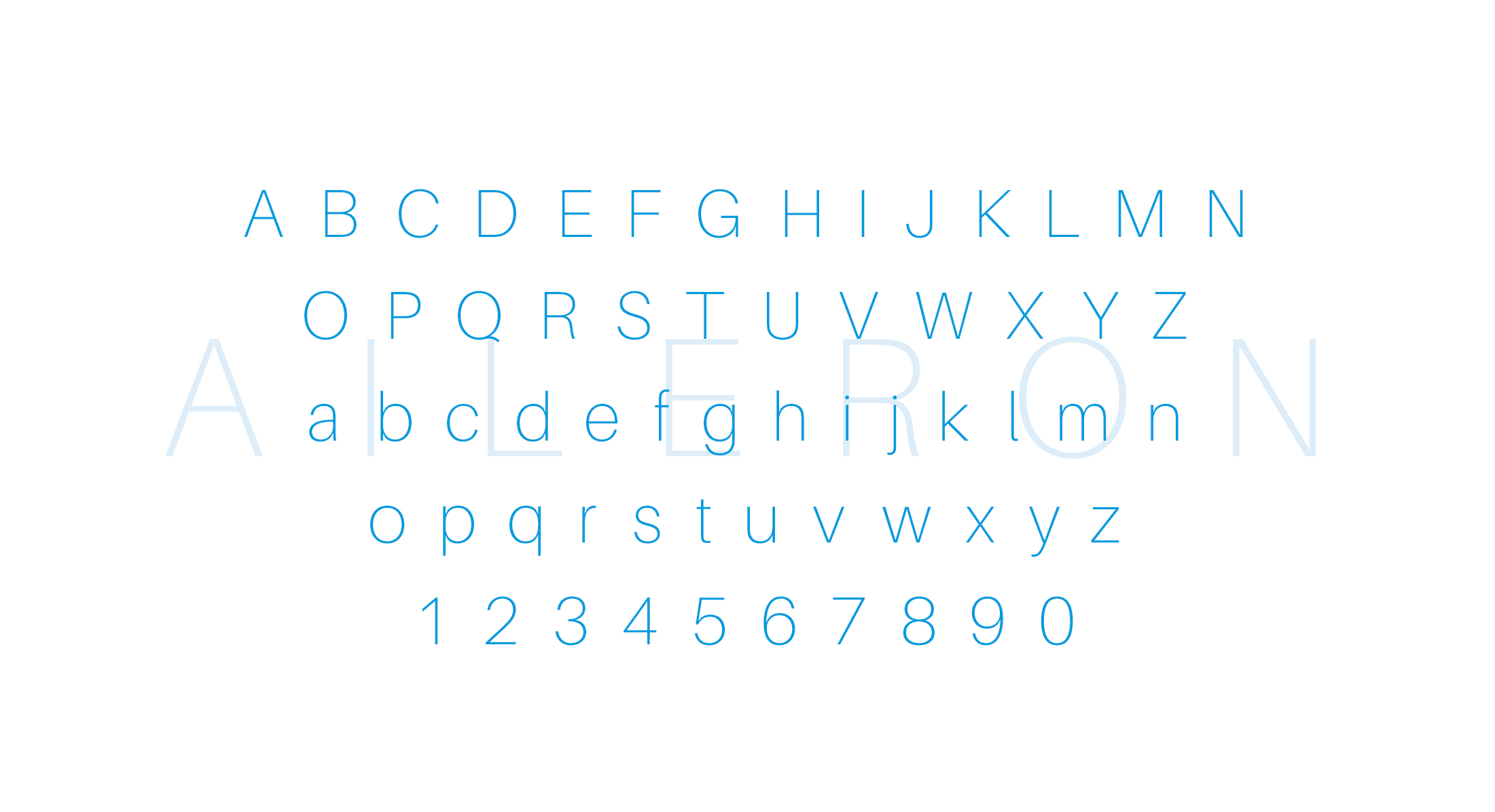
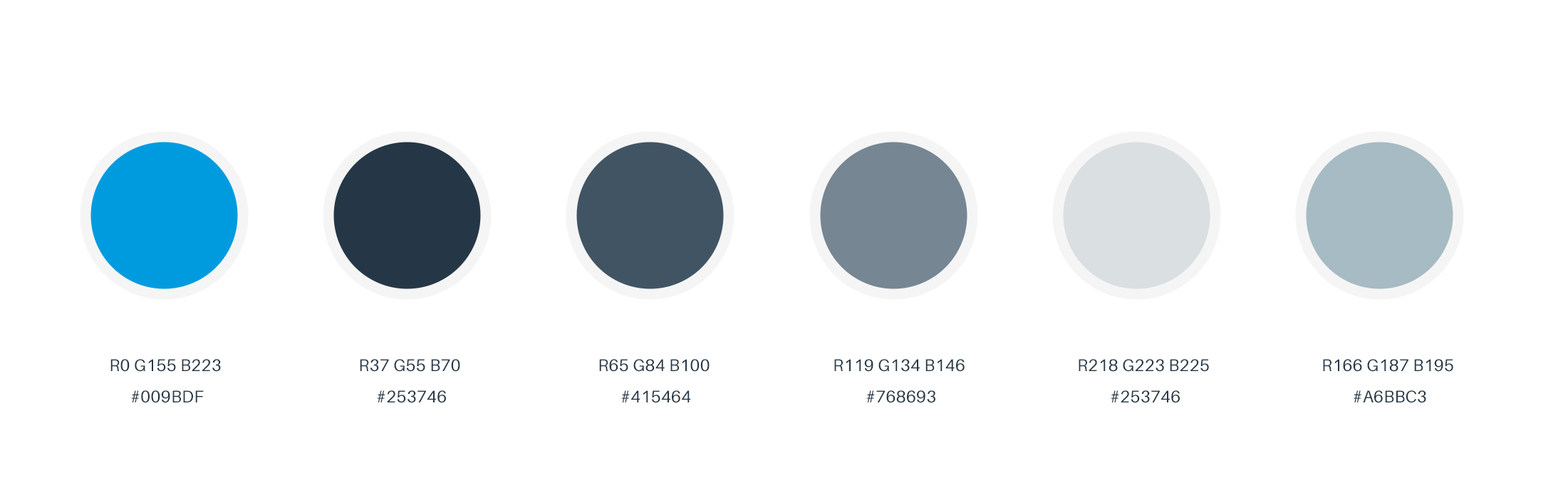
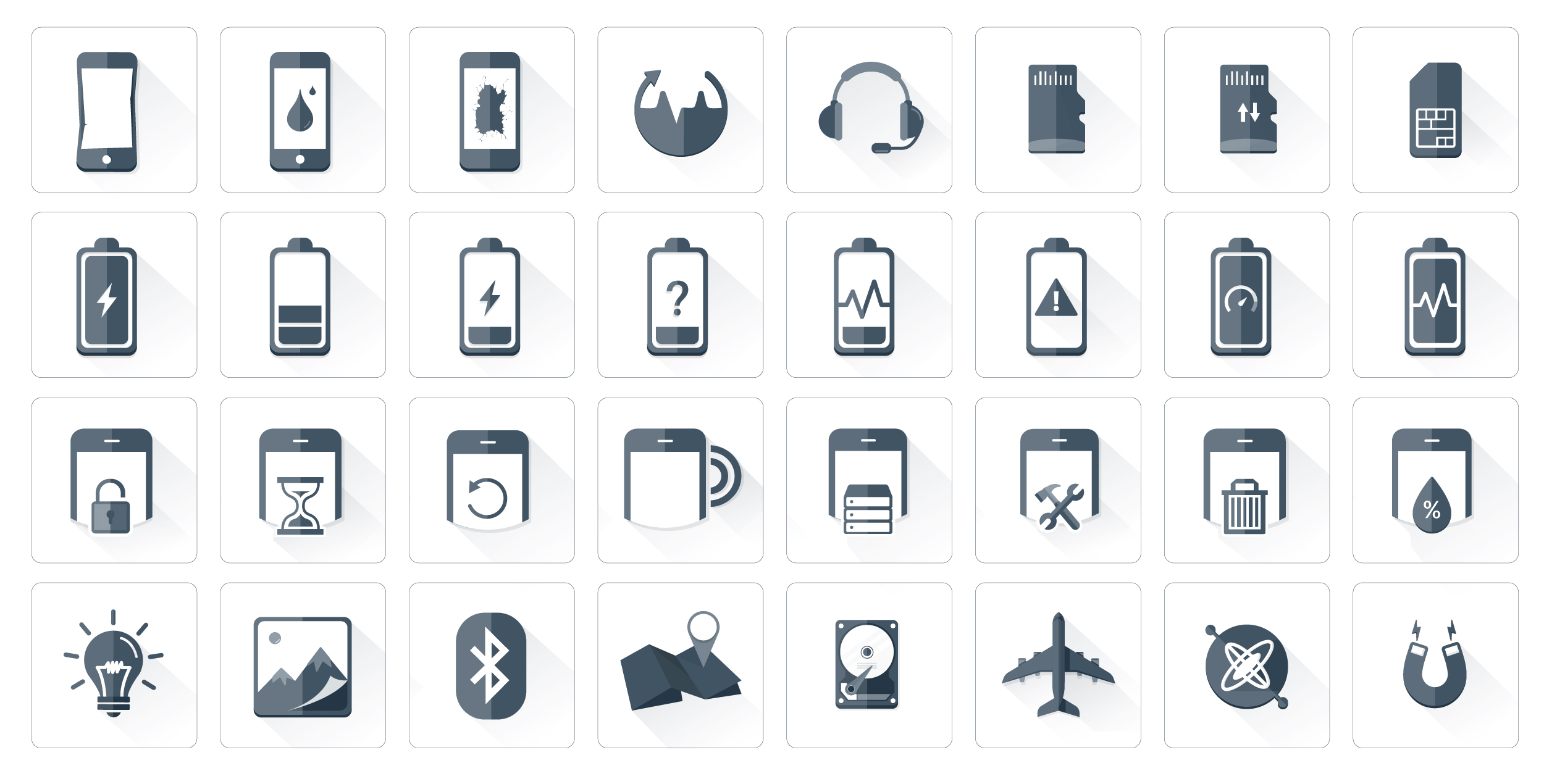
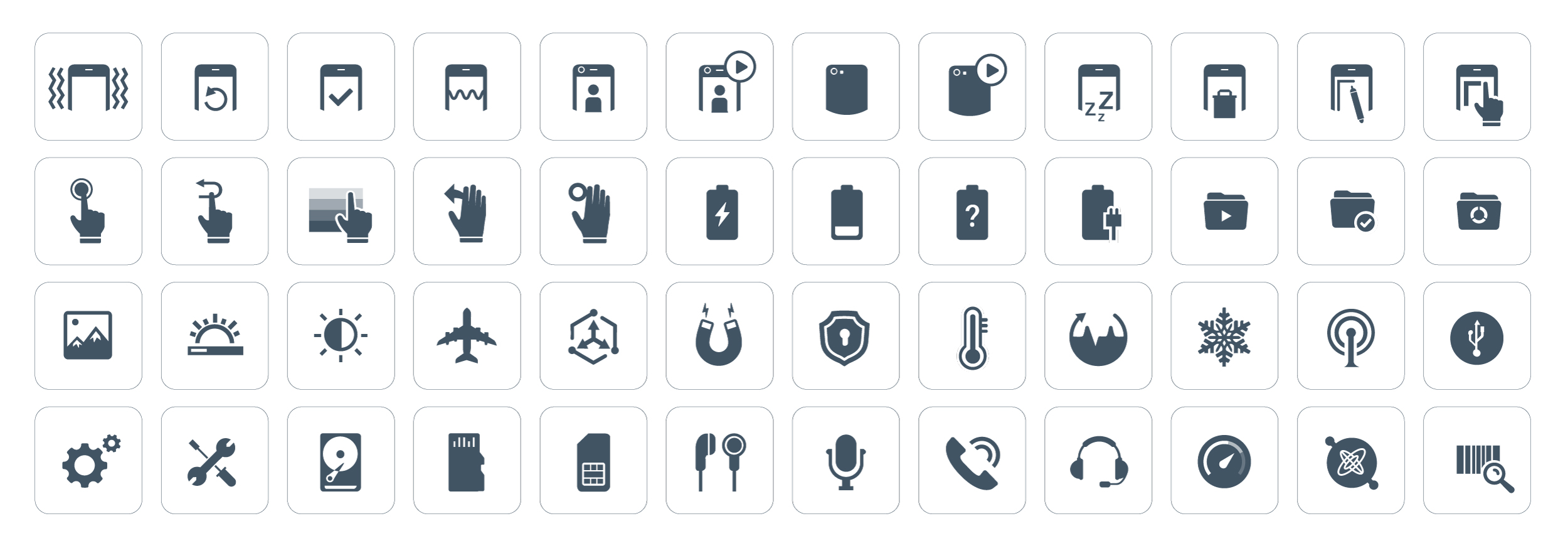
I built the visual system from the ground up — typography, color, and a bespoke icon set — for a clean, technical feel that reads clearly on-device and in the agent tool.
07 — Final GUI · on-device app
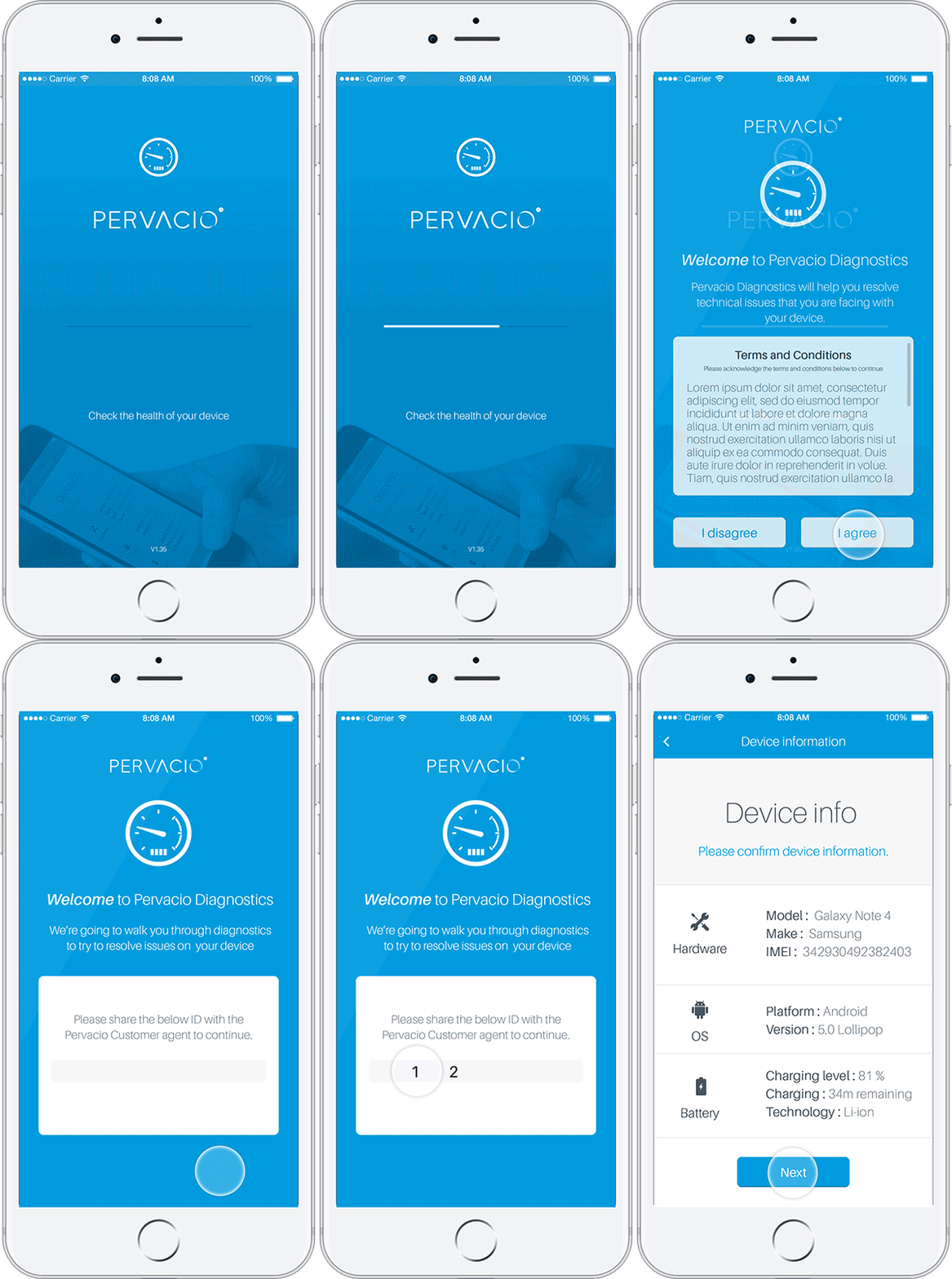
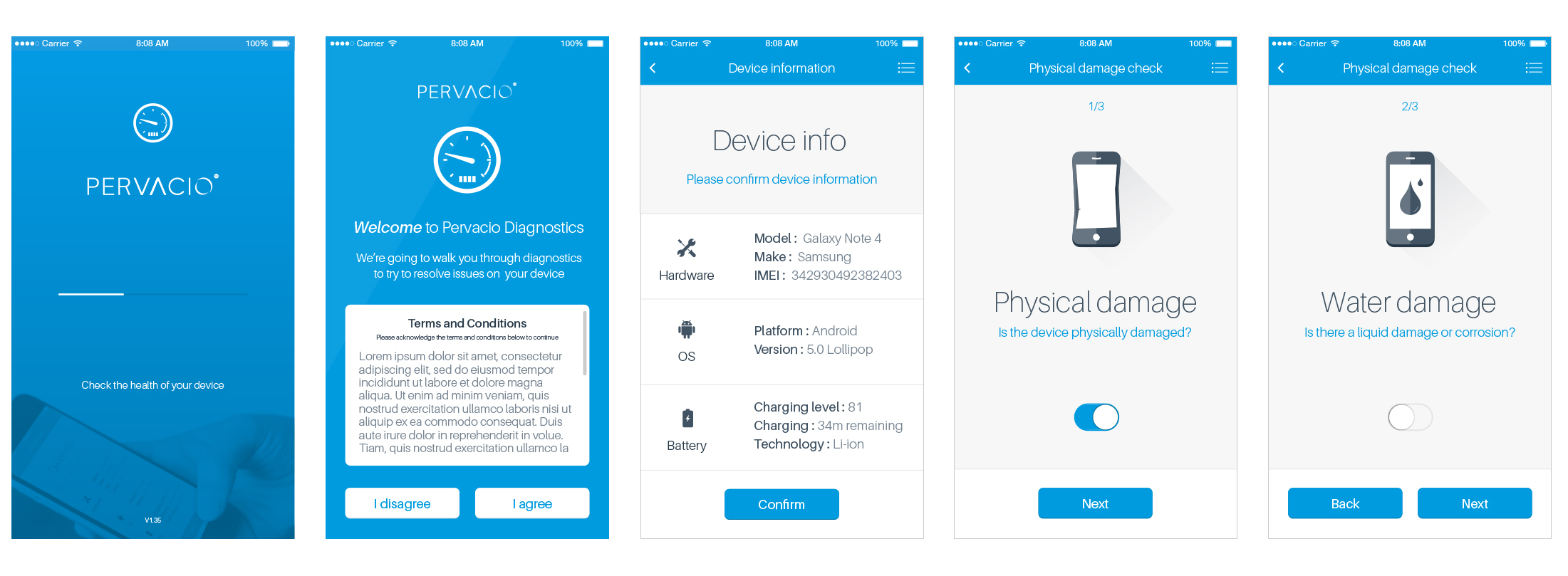
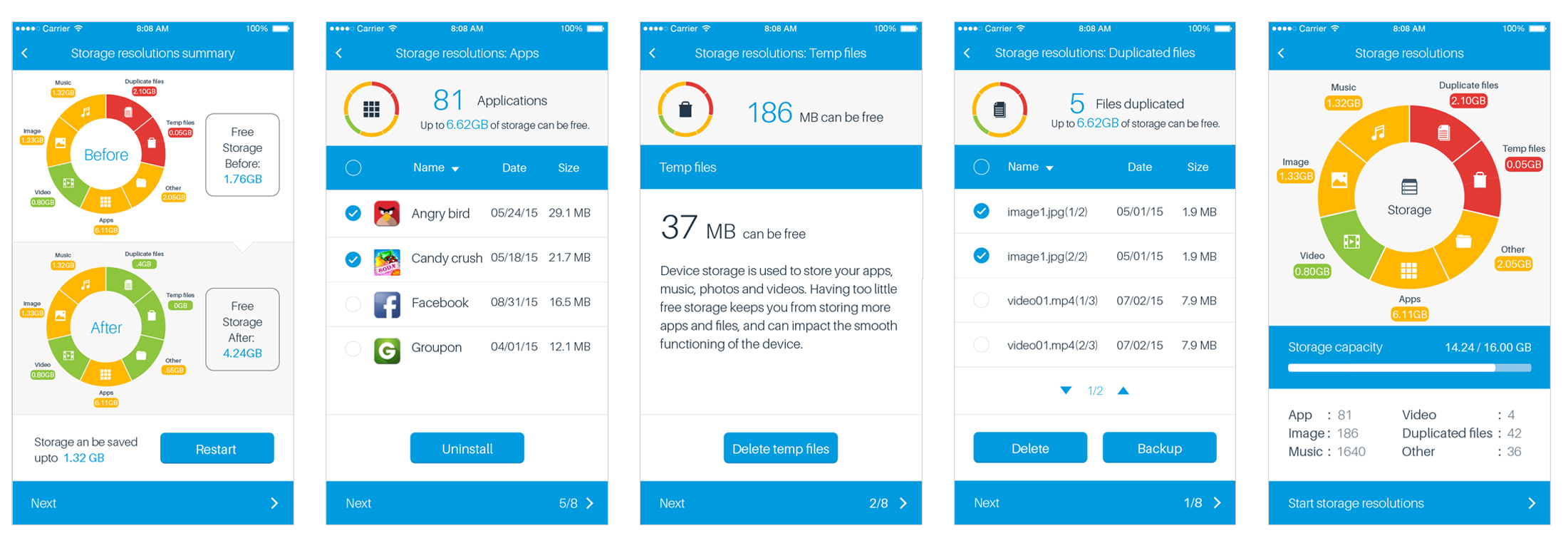
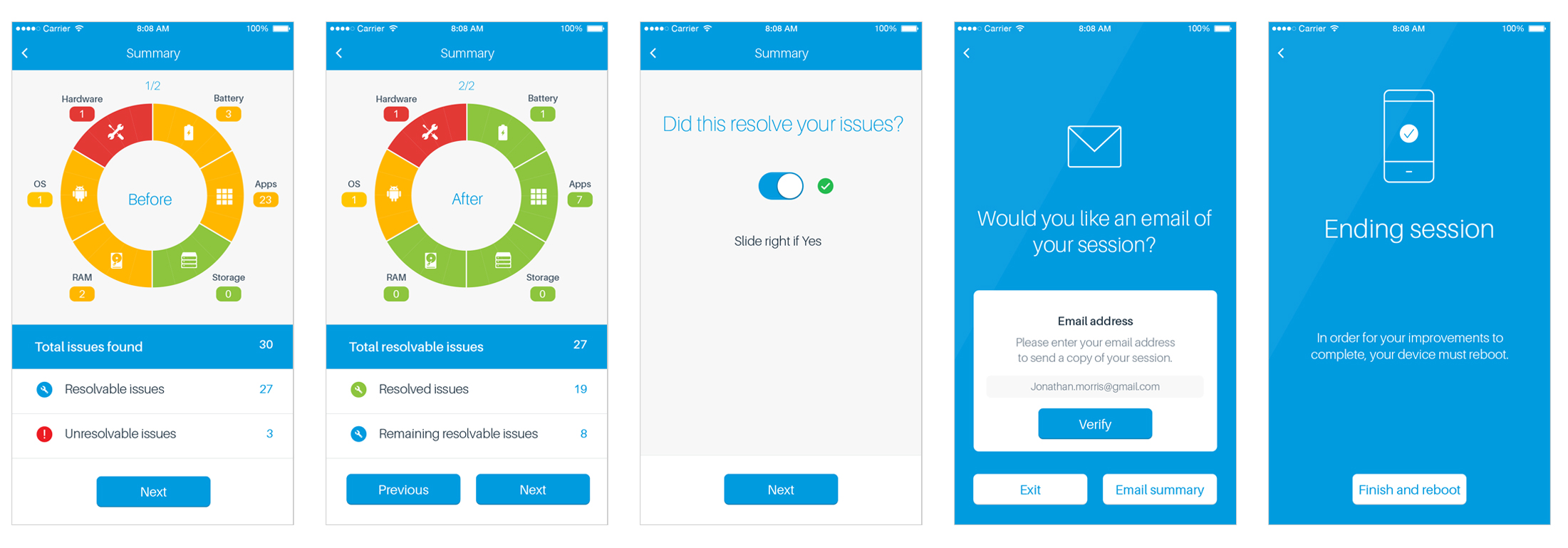
The customer-facing app guides users through each test with clear motion and status feedback, ending in a trustworthy summary of results.


08 — Final GUI · care-agent tool
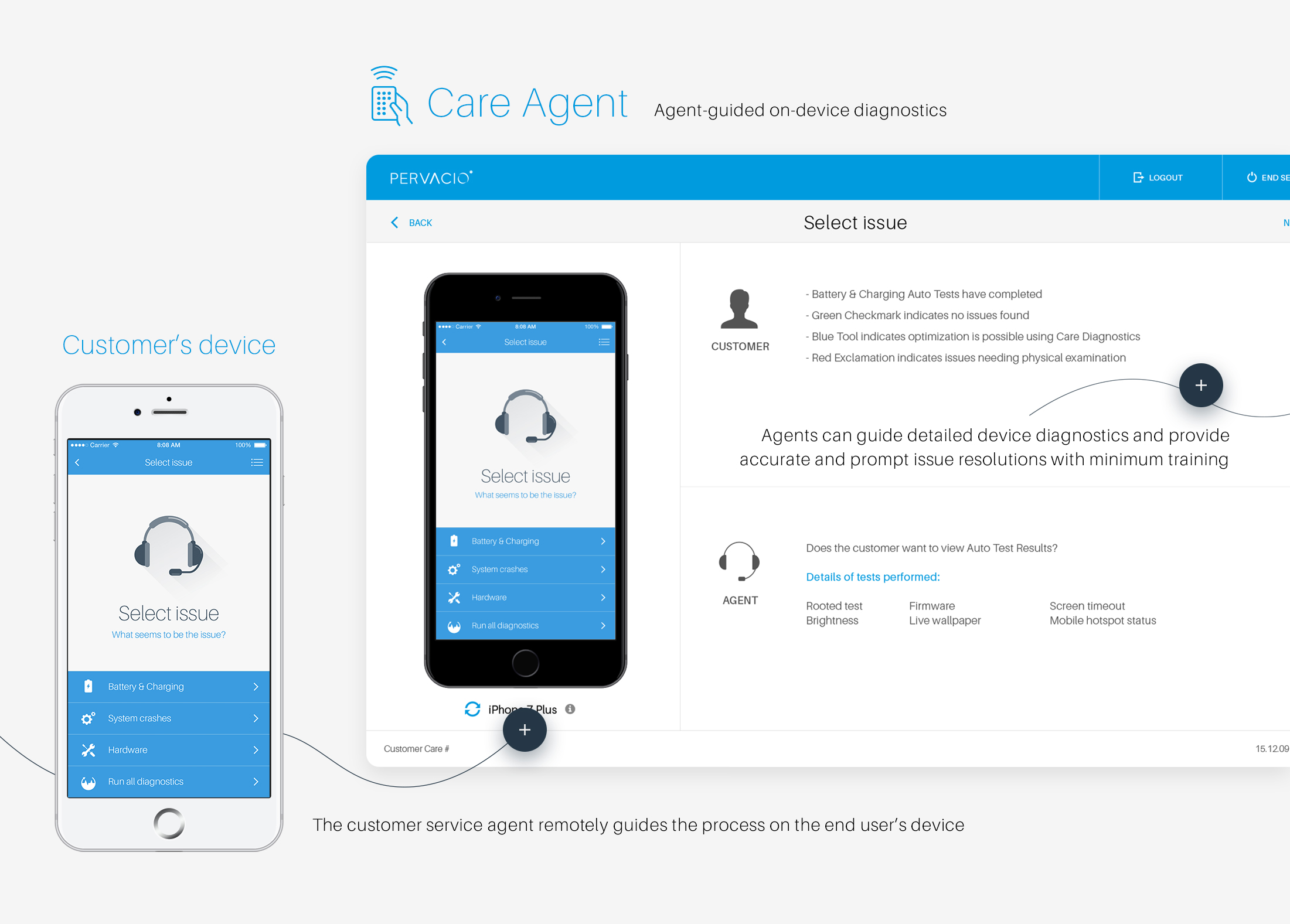
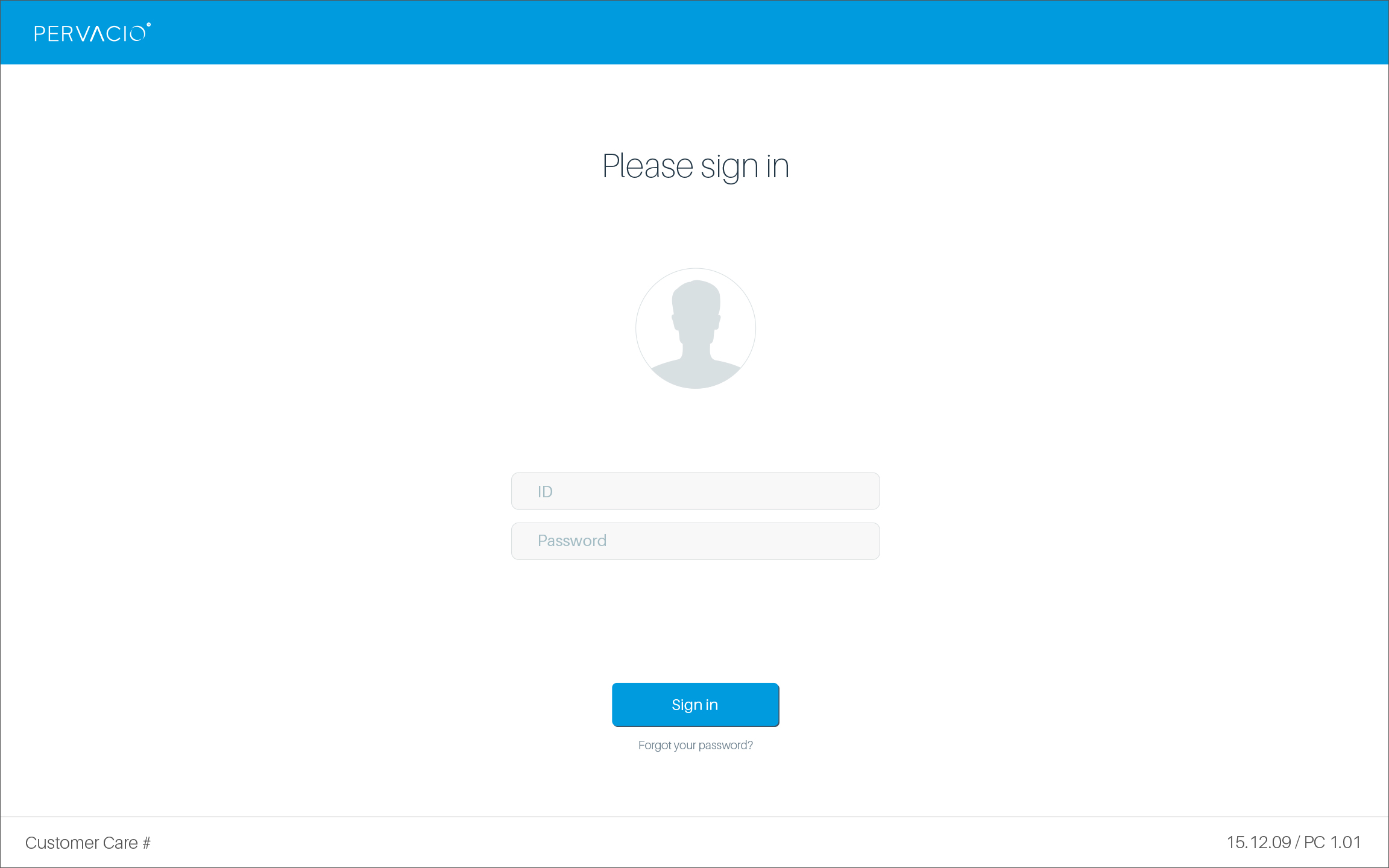
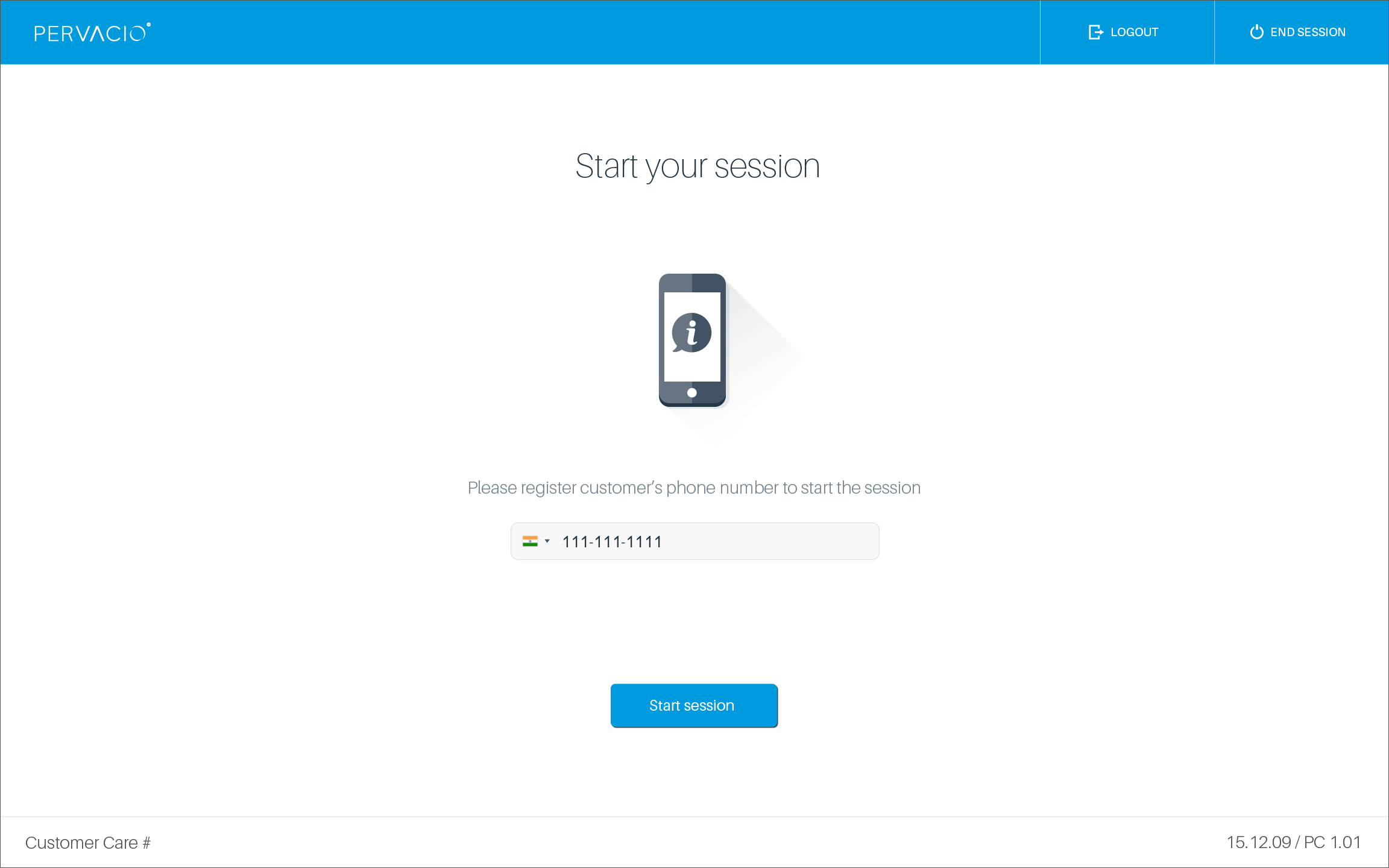
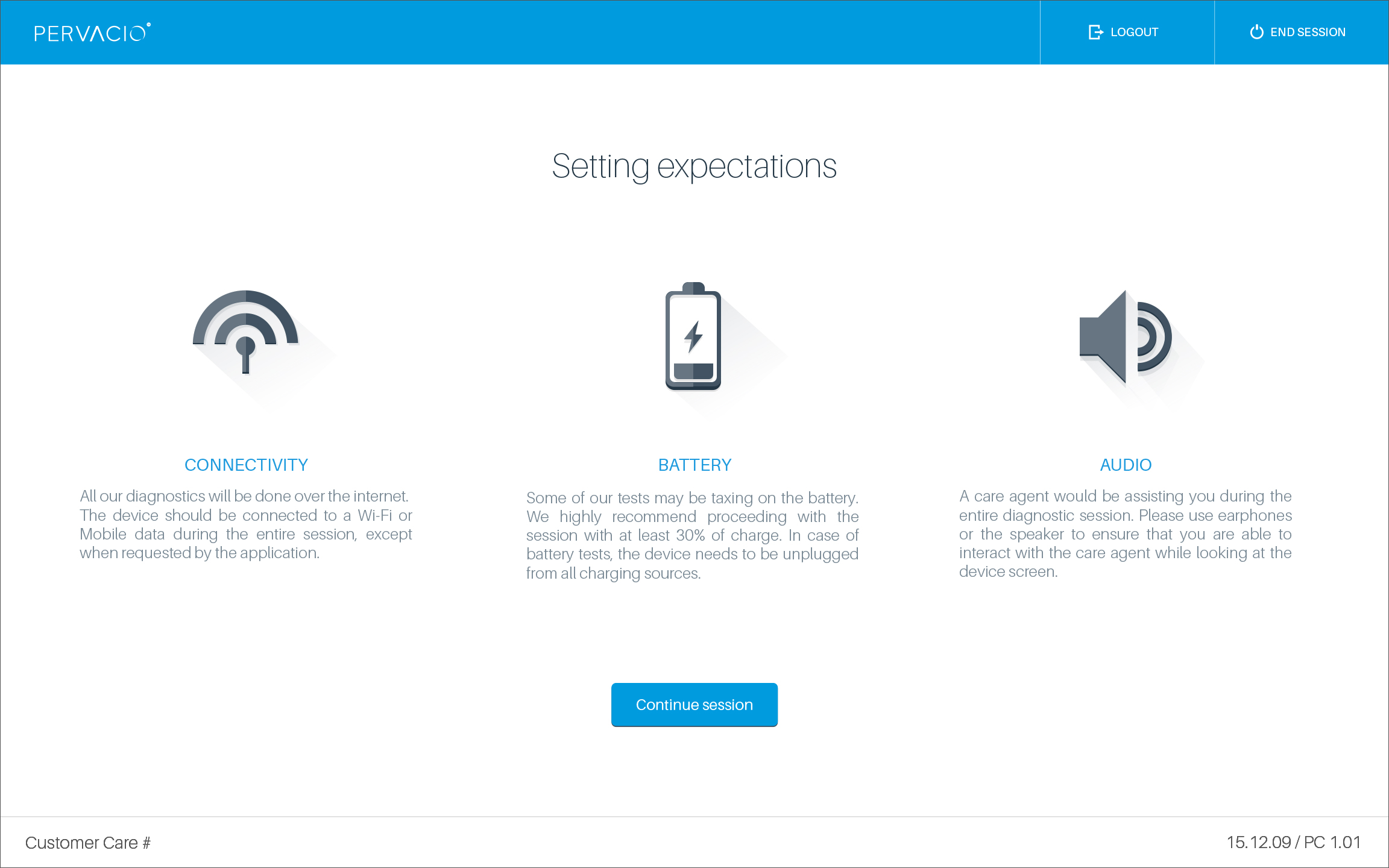
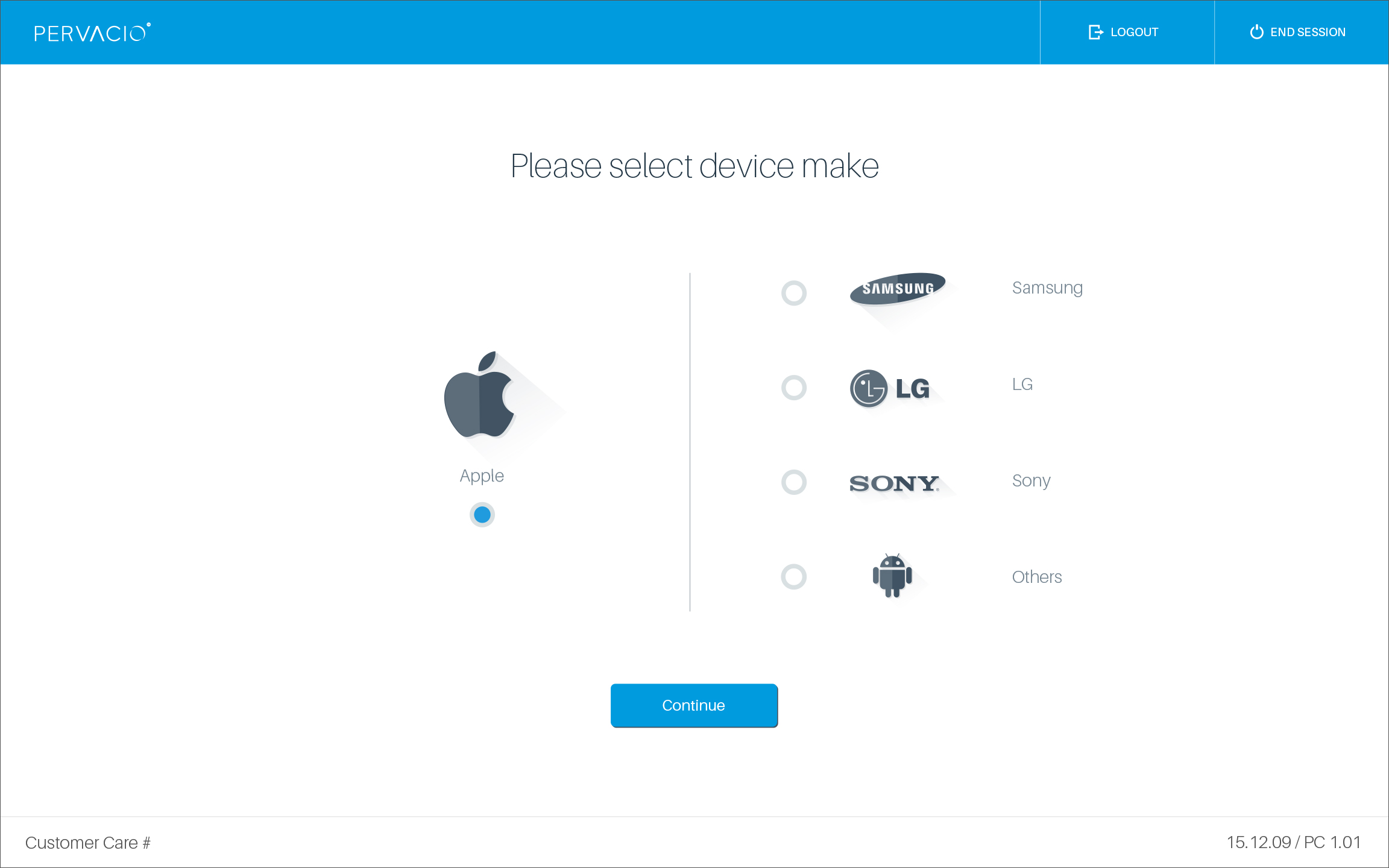
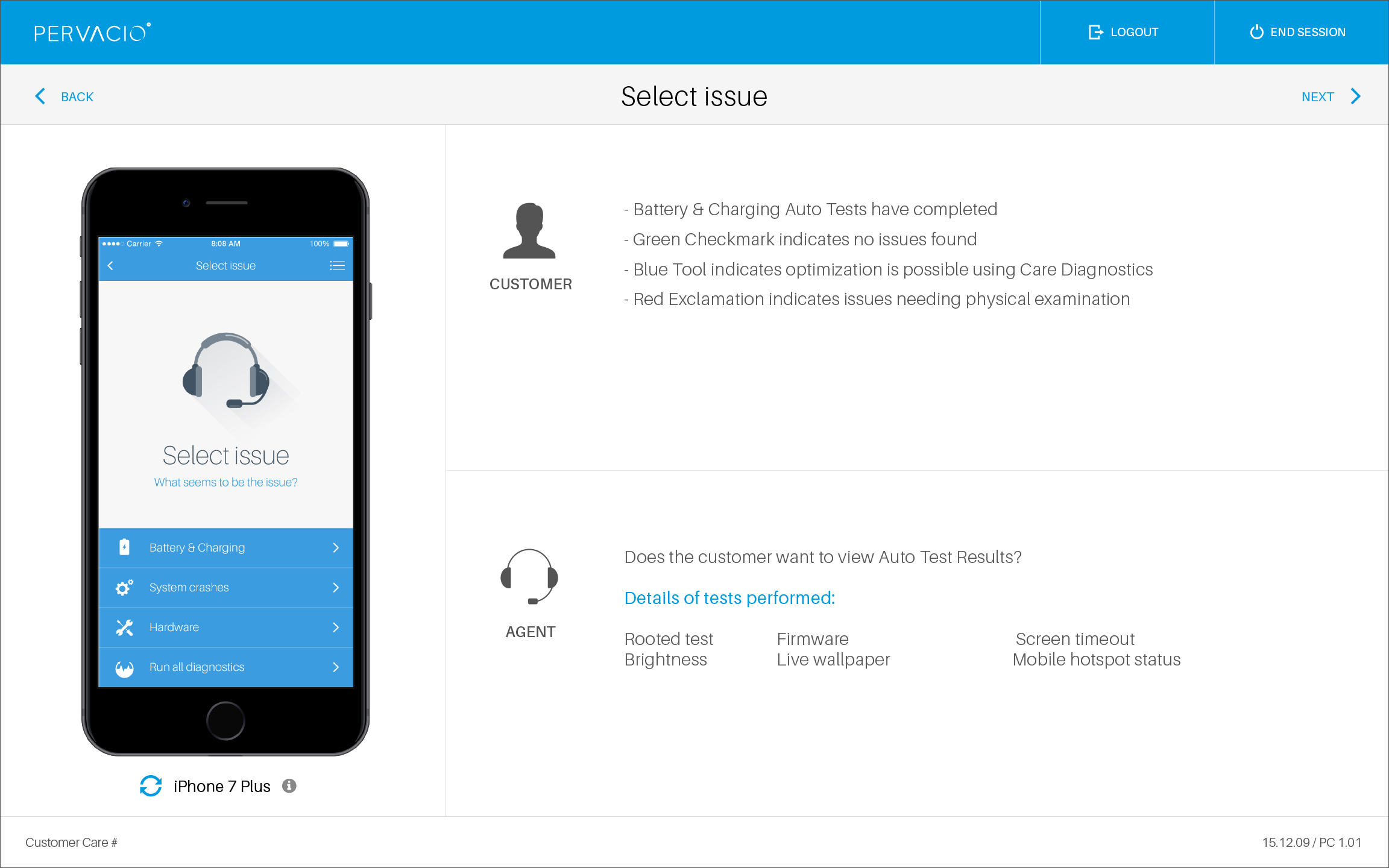
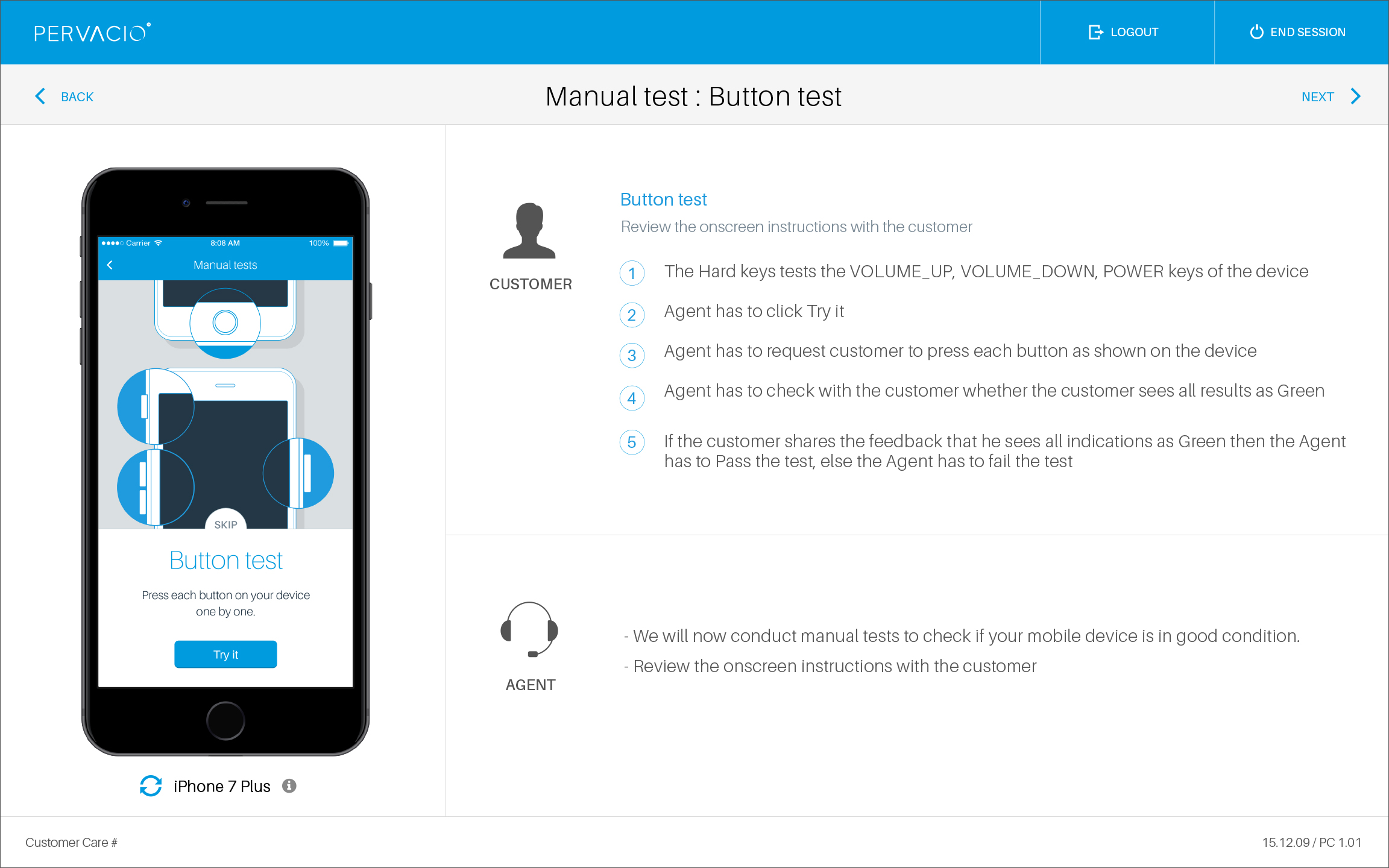
A companion desktop tool gives care agents the same diagnostic truth — a mirrored, data-rich view for triaging devices and guiding customers with confidence.
09 — Style guides
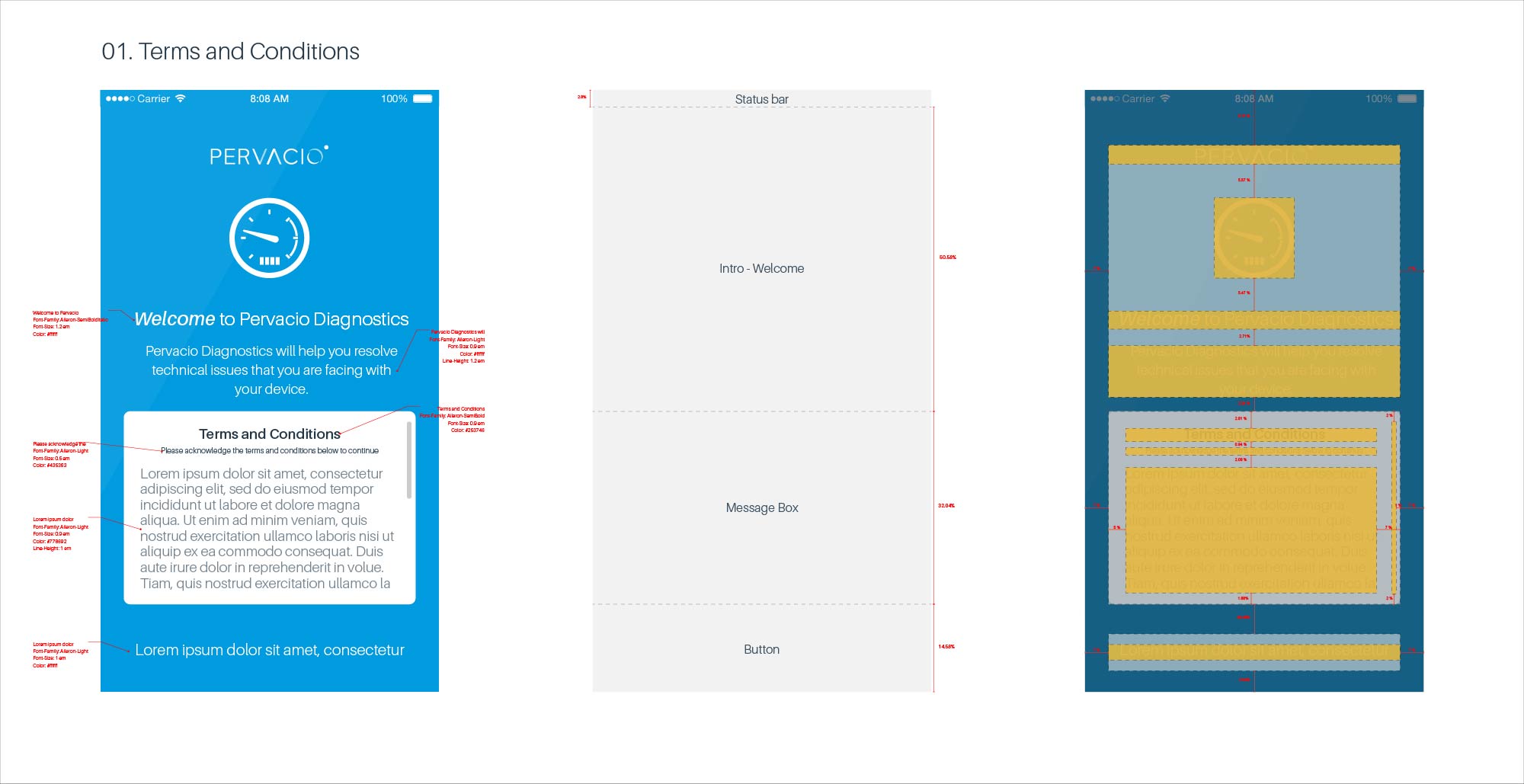
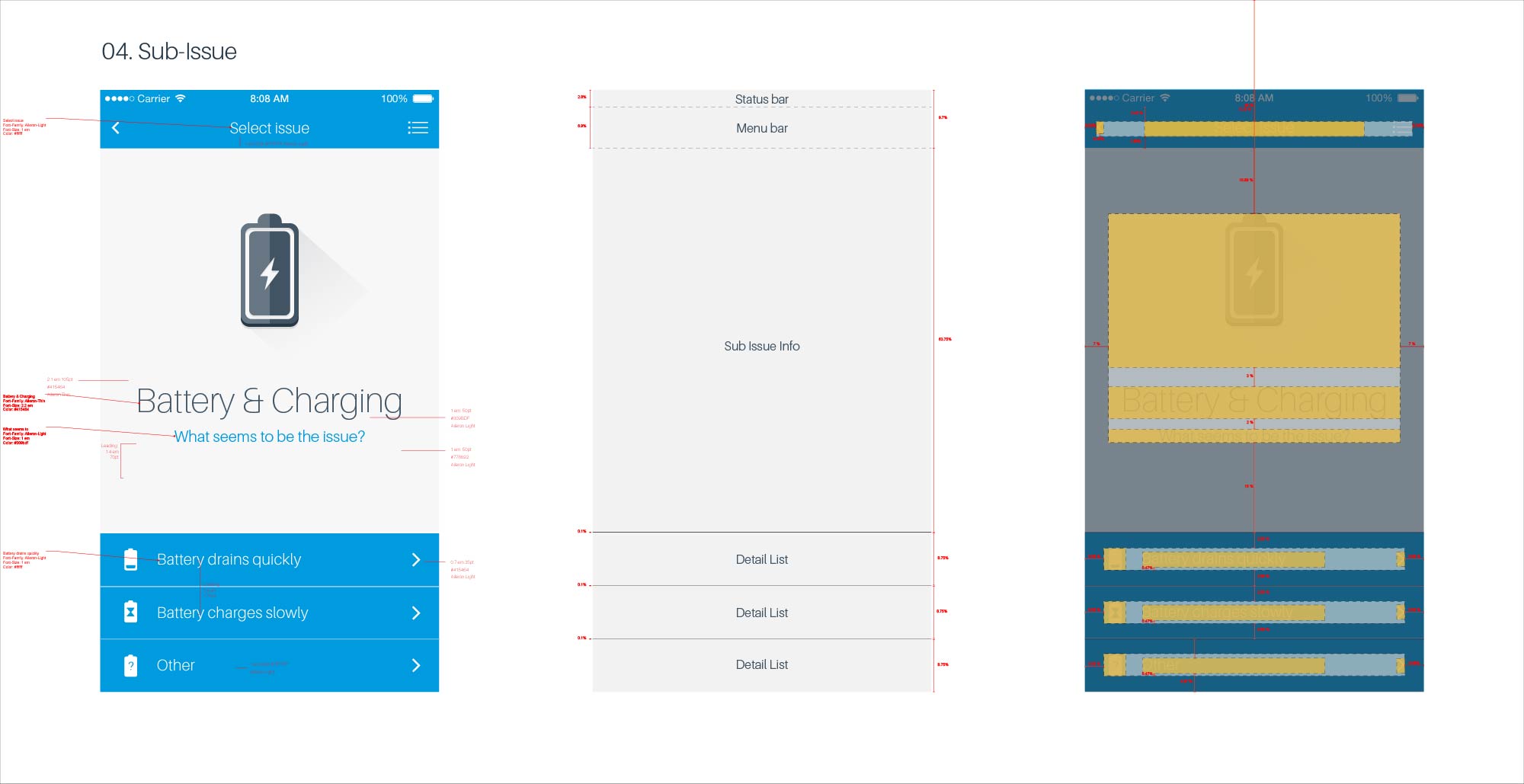
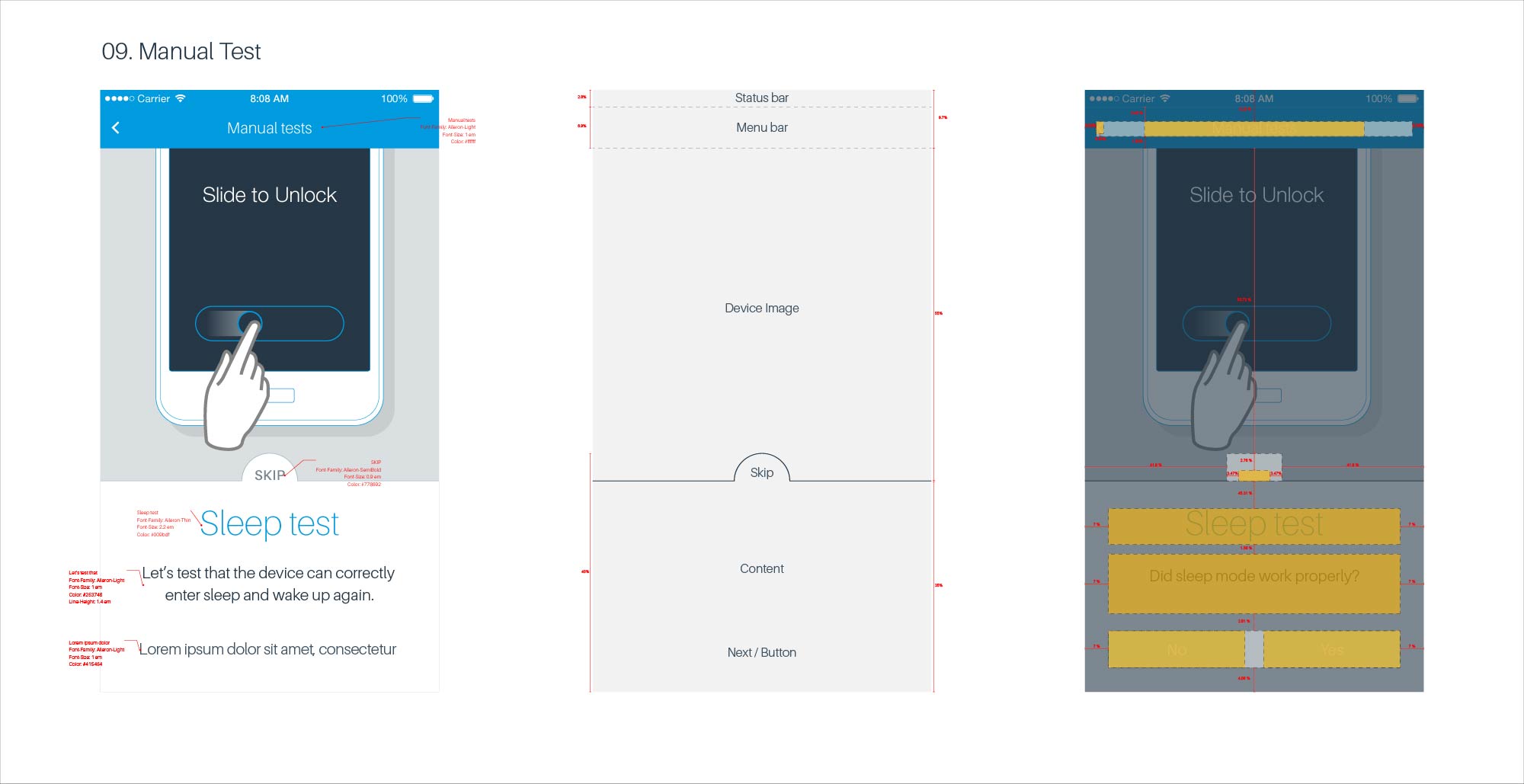
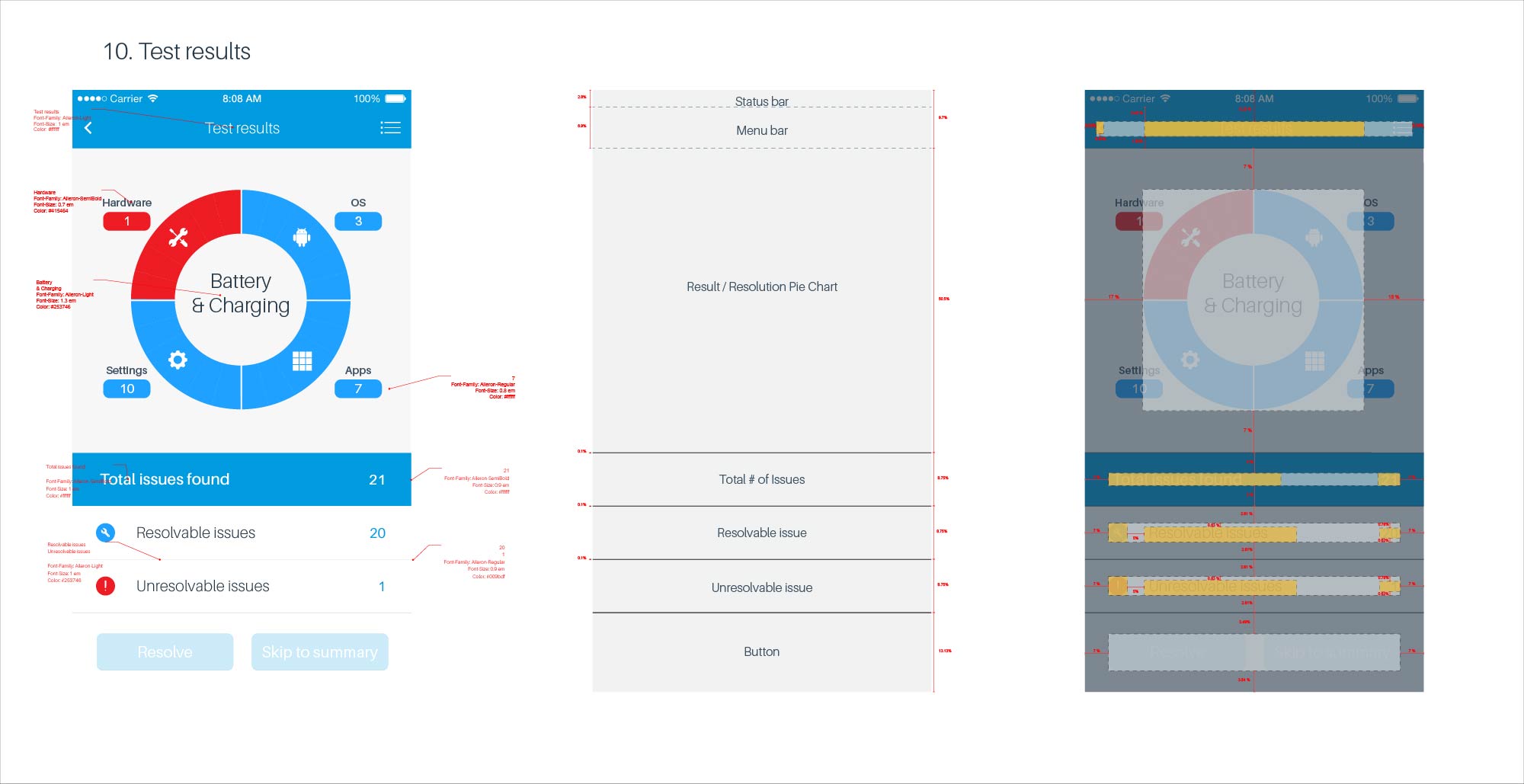
I documented the full system in detailed style guides so the design could be built and extended consistently across platforms and teams.


A guided, automated diagnostic gave customers, retail, and care one trustworthy answer — turning "defective" returns back into working devices.